Most Popular Super Famicom Games - Page 30

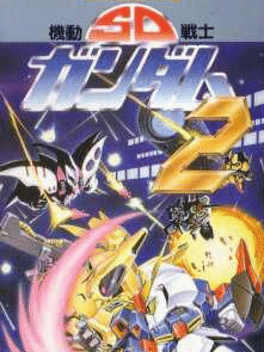
SD Kidou Senshi Gundam 2
1993
SD Kidou Senshi Gundam 2 is a shoot 'em up game featuring characters from the Gundam universe in a super deformed format. It is the sequel to the Super Famicom game SD Kidou Senshi Gundam: V Sakusen Shidou. The player can select between three SD Gundam characters to play as, including the previous game's Knight Gundam. The game also has both co-operative and competitive two-player modes.Big Ichigeki! Pachi-Slot Daikouryaku
1994
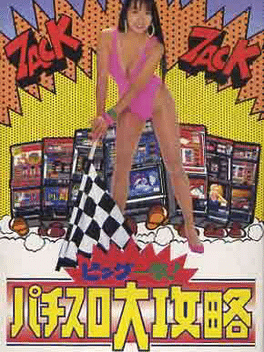
Big Ichigeki! Pachi-Slot Dai-Kouryaku is a Miscellaneous game, developed by Syscom and published by ASK, which was released in Japan in 1994.CB Chara Wars: Ushinawareta Gag
1992
CB Chara Wars is an Action game, developed by Almanic Corp. and published by Banpresto, which was released in Japan in 1992.Chibi Maruko-chan: Harikiri 365-nichi no Maki
1991
Chibi Maruko-Chan: Harikiri 365-Nichi no Maki is a Miscellaneous game, developed by SAS Sakata and published by Epoch, which was released in Japan in 1991.Computer Nouryoku Kaiseki: Ultra Baken
1995
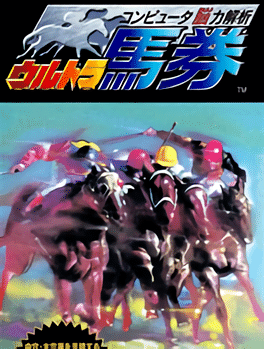
Computer Nouryoku Kaiseki: Ultra Baken is a horse racing simulation video game for the Super Famicom where players can manipulate the lives of horses. The object is to become the wealthiest horse farmer in the world. Training and preparations are essential to producing a winning horse. When finances are low, horses can be sold to increase the player's bank account. Horses start out as ponies; these ponies must be trained in order for them to commence their horse racing career. The gender of the pony decides whether it becomes a stallion or a mare after successfully mating with a horse of the opposite gender. It is also possible for players to bet on certain horses; including the horses that they have raised during the course of the game to further profit on their success in the horse racing world.Conveni Wars: Barcode Battler Senki - Super Senshi Shutsugeki seyo!
1993
Conveni Wars: Barcode Battler Senki - Super Senshi Shutsugeki Seyo! is a Strategy game, developed by SAS Sakata and published by Epoch, which was released in Japan in 1993.Daibakushou: Jinsei Gekijoh - Doki-doki Seishun-hen
1993
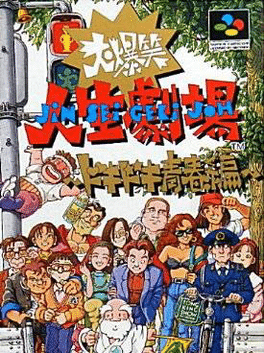
Daibakushou: Jinsei Gekijoh - Doki-doki Seishun-hen is a Miscellaneous game, developed by Act Japan and published by Taito Corporation, which was released in Japan in 1993.Pikiinya!
1997
Pikiinya!
1997
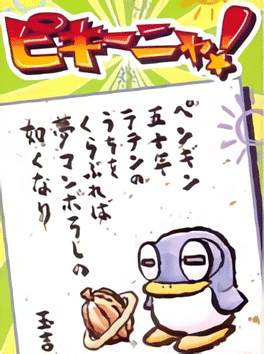
Pikiinya! is a Japan-exclusive action-puzzle video game developed by Crea-Tech and published by ASCII, which was released in 1997 for the Super Famicom. Pikiinya! takes the Tetris-esque formula of blocks falling from the sky, and adds gyrating tropical-type penguins. They excite easily, and sleep when they are alone and/or bored. These penguins just want to live in peace, and throughout the story mode in the game they must constantly fight against people that want to capture them including poachers, witch doctors, and mad scientists. The characters were designed by Tamakichi Sakura (the artist of Super Mario Adventures). The game designers were Hiroshi Miyaoka and Tomoki Tauchi. The voices are from Maki Yagita.Pebble Beach no Hatou New: Tournament Edition
1996
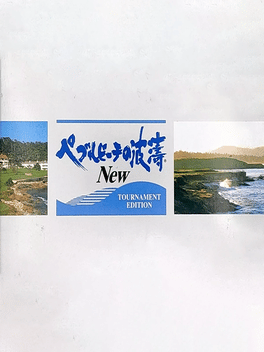
The final golf game for SNES from T&E Soft. The cartridge contains the SA-1 enhancement chip, so there are less waits during gameplay, graphics are also improved. In previous work, the terrain that had been drawn as flat polygon became a more of a pointillist style painting. There were many interface improvements and the main controls moved from a window to being displayed around the player sprite.Pachio-kun Special 2
1994
Pachio-kun Special 2
1994
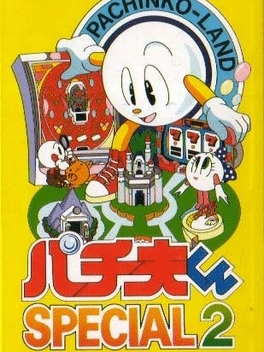
Pachio-kun Special 2 is a Miscellaneous game, developed by Marionette and published by Coconuts Japan, which was released in Japan in 1994.Pachio-kun Special 3
1995
Pachio-kun Special 3
1995
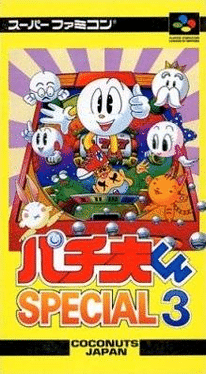
Pachio-kun Special 3 is a Miscellaneous game, developed by Marionette and published by Coconuts Japan, which was released in Japan in 1995.Pachi-Slot Kanzen Kouryaku
1997
Pachi-Slot Kanzen Kouryaku is a Miscellaneous game, published by Syscom, which was released in Japan in 1997.Derby Jockey 2
1995
Derby Jockey 2
1995
Derby Jockey 2 is a Sports game, developed by Graphic Research and published by Asmik Ace Entertainment, Inc, which was released in Japan in 1995.Derby Stallion II
1994
Derby Stallion II
1994
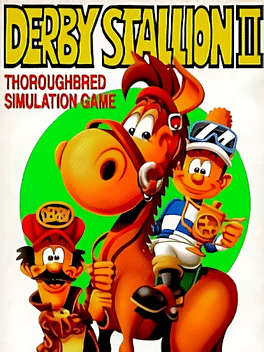
Derby Stallion II is a Sports game, published by ASCII Entertainment, which was released in Japan in 1994.Derby Stallion 96
1996
Derby Stallion 96
1996
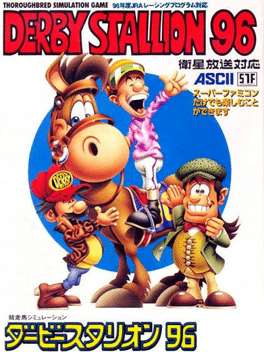
Derby Stallion 96 is a Sports game, published by ASCII Entertainment, which was released in Japan in 1996.Derby Stallion III
1995
Derby Stallion III
1995
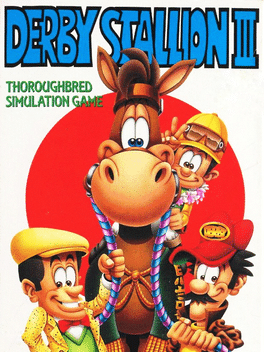
Derby Stallion III is a Sports game, published by ASCII Entertainment, which was released in Japan in 1995.Dokapon 3-2-1: Arashi wo Yobu Yuujou
1994
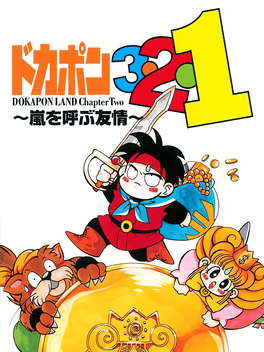
Dokapon 3-2-1 is a Role-Playing game, published by Asmik Ace Entertainment, Inc, which was released in Japan in 1994.Dolucky no Puzzle Tour '94
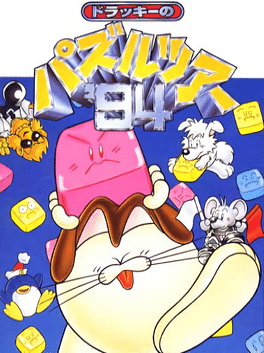
1994
This video game is a puzzle block fighter similar to other Japanese block games on the Super Famicom like Dossun! Ganseki Battle. The player has to match coloured blocks together and gain combos/special blocks to fight against its opponent. The game features stylized "muted" graphics and a soundtrack composed by Hideyuki Shimono and Akihito Ohkawa. This was their first collaboration before Zero Divide in 1995.Doraemon: Nobita to Yousei no Kuni
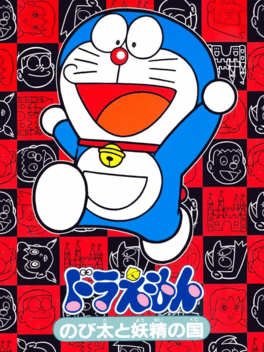
1993
Doraemon: Nobita to Yousei no Kuni is an Action game, developed by SAS Sakata and published by Epoch, which was released in Japan in 1993.Shin Mahjong
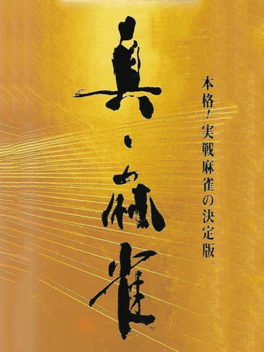
1994
Shin Mahjong
1994
Shin Mahjong is a Miscellaneous game, published by Konami, which was released in Japan in 1994.