New Super Famicom Games - Page 14

Super Power League 3
1995
Super Power League 3
1995
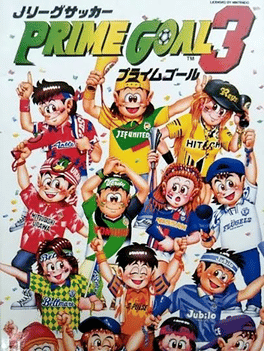
Super Power League 3 is the third Power League game to be released on the Super Famicom and the ninth overall. The series is once again endorsed by Fuji Television, after the second game went with a different sponsor, with play-by-play commentary from Kenji Fukui, an announcer from that network. It features the standard gameplay modes: A single Open game, a multi-game Pennant mode, an All-Stars mode with special teams, a Home Run Derby mode (named "Race"), and an opportunity to watch a match between two CPU teams. The Power League series would see one more Super Famicom sequel in 1996 (Super Power League 4) before the series moved onto the next generation of consoles.Kishin Douji Zenki: Battle Raiden
1995
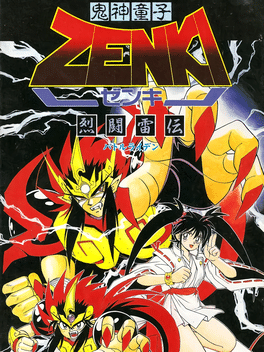
An action game published by Hudson in 1995, based on the popular manga series Kishin Douji Zenki of the early to mid 90s.Inazuma Serve Da!! Super Beach Volley
1995
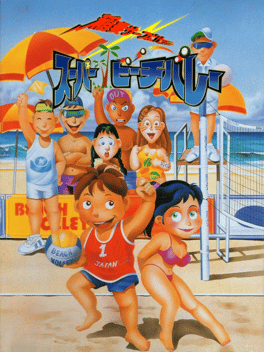
Inazuma Serve Da!! Super Beach Volley ("It's a Lightning Serve!! Super Beach Volley") is a 2D volleyball game from Virgin Interactive Entertainment that was released exclusively in Japan. The player selects their volleyball players from a group of twenty-four characters, each with their own stats and idiosyncratic appearances, and takes on another team in various beach volleyball venues across the world including California, Hawaii, Japan, Brazil, Australia and India. Twenty of the characters belong to ten separate nationalities for the world cup mode, while the remaining four are female competitors who are unaffiliated with any country. The game features a standalone "free battle" versus match, a world cup elimination tournament and a professional league.Chou-Mahou Tairiku Wozz
1995
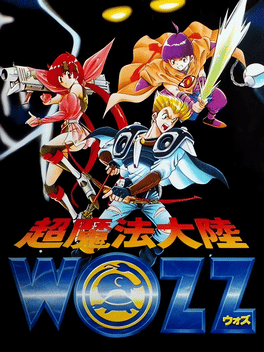
A traditional Japanese-style RPG similar to Breath of Fire: turn-based battles are viewed from an isometric perspective. You control all three characters as a party, but in the beginning of the game you choose one of them as the main character, and therefore will see the game from his/her perspective. In case the characters split up, you'll be able to control only the one you chose.Ultima: The Savage Empire
1995
Ultima: The Savage Empire (Ultima: Kyouryuu Teikoku) is a port of Worlds of Ultima: The Savage Empire for the SNES released in 1995 by ORIGIN Systems (and Pony Canyon). The game is a drastic departure from the traditional video games in the Ultima series, and takes place into a world that resembles the Amazon rather than the typical medieval style setting of previous titles in the series. The game's engine was based off Ultima VII: The Black Gate's engine. The game was planned for Western release, but was cancelled.Shuushoku Game
1995
Shuushoku Game
1995
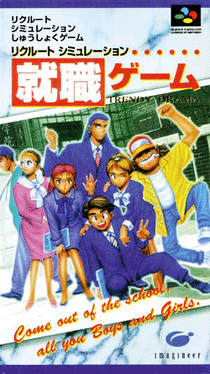
Shuushoku Game (Trendy Drama) is a Japan-exclusive video game based around the Japanese sub-culture of Japanese drama, "Trendy Drama" (hence the name), which is a form of drama typically targeting young children and young adults and is based around normal human issues such as love, family problems, and other social issues.Ultra League: Moero! Soccer Daikessen!!
1995
Ultra League: Moero! Soccer Daikessen!! (lit. Ultra League Moero! Roll-up Soccer!!) is a 1995 Japan-exclusive soccer-based video game released for the Super Famicom. The game features the Japanese super hero Ultraman, among other monsters and aliens.Mahjong Hanjouki
1995
Mahjong Hanjouki
1995
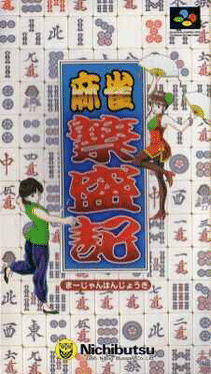
Mahjong Hanjouki is a Miscellaneous game, published by Nichibutsu, which was released in Japan in 1995.Trump Island
1995
Trump Island
1995
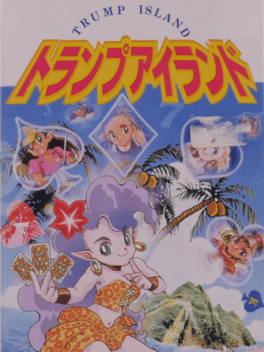
A reskinned version of Super Solitaire for the Japanese market. Instead of a standard menu featuring the 12 Solitaire varieties, this release frames those same modes around an island with each mode corresponding with a location. Instead of digitized photos and landscapes, the backgrounds of each mode are replaced with anime girls.DunQuest
1995
DunQuest
1995
DunQuest is a Role-Playing game, published by Technos, which was released in Japan in 1995.Shogi Saikyou
1995
Shogi Saikyou
1995
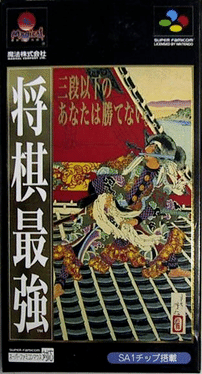
Shogi Saikyou is a Miscellaneous game, published by Magical Company (Mahou), which was released in Japan in 1995.Super V.G.
1995
Super V.G.
1995
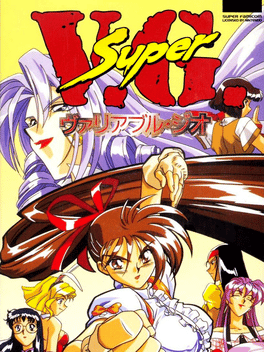
A stripped-down version of Advanced V.G. that removes the Yuka clone, the Hybrids and the Story Mode.Take Yutaka G1 Memory
1995
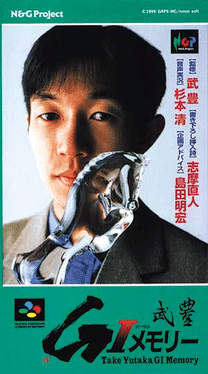
Take Yutaka G1 Memory is a Sports game, developed by Gaps and published by Naxat Soft, which was released in Japan in 1995.Go Go Ackman 2
1995
Go Go Ackman 2
1995
Go Go Ackman 2 is an Action game, developed by Aspect and published by Banpresto, which was released in Japan in 1995. The gameplay is largely the same as the first game in the series. With the exception that Ackman can now throw enemies he picks up. Go Go Ackman was created by famous mangaka Akira Toriyama, known for his work on Dragon Ball as well as games such as Chrono Trigger and Dragon Quest.Kat's Run: Zen-Nippon K-Car Senshuken
1995
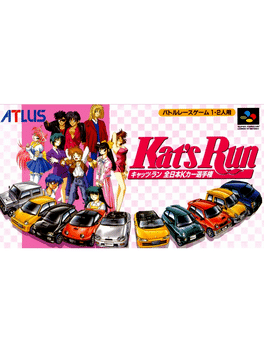
Race to the finish! The cars are connected to the driver. The engine and mind has become one. Race in different modes and experience thrilling rides with personality! A large number of cars are available to you! -Autozam AZ-1 -Honda Today -Suzuki Cappuccino -Suzuki Alto Works -Honda Beat -Mitsubishi Minica Dangan ZZ-4 -Mitsubishi Toppo -Suzuki Jimny -Suzuki Wagon R -Daihatsu Mira TR-XX4-nin Shogi
1995
4-nin Shogi
1995
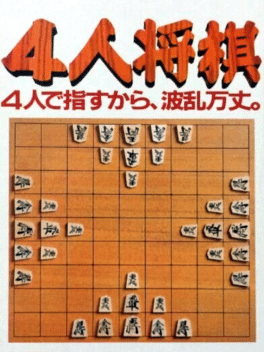
4-nin Shogi is a four-person variant of shogi (Japanese chess). It may be played with a dedicated yonin shogi set or with two sets of standard shogi pieces, and is played on a standard sized shogi board. The objective of the game is to capture your opponents’ kings as an individual or with the option of teaming up with one or two fellow players. Fast matches are common.Kouryaku Casino Bar
1995
Kouryaku Casino Bar
1995
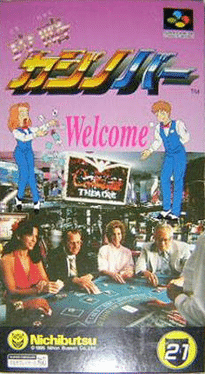
Kouryaku Casino Bar is a Miscellaneous game, published by Nichibutsu, which was released in Japan in 1995.Kohshien 4
1995
Kohshien 4
1995
Kohshien 4 is a Sports game, developed and published by Magical Company (Mahou), which was released in Japan in 1995.Super Keirin
1995
Super Keirin
1995
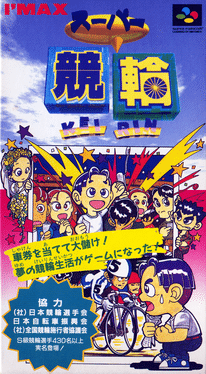
Super Keirin is a Japan-exclusive video game that allows players to become cyclists. Cute anime-style graphics are employed throughout the game; stating that the premise of the game is less serious than other Super NES cycling video games. The game plays like a miniature version of a role-playing video game. Before each race, players has the ability to buy supplies from a drug store, a 24-hour variety store, and a clothing store for a certain amount of yen per purchase. Interaction with non-player characters is possible while at the shopping district. Players can also gamble by placing wagers on other bicycle racing events,[5] buying parimutuel tickets with the chance of winning a respectable sum. Acquiring a newspaper to pick up results from other races can be done within the downtown portion of the game. There are nine competitors and five laps in a typical race. Every track that can be raced on using a bicycle is an velodrome with four superelevated turns that are typical in most velodromes. Riders are not a