New Arcade Games - Page 77

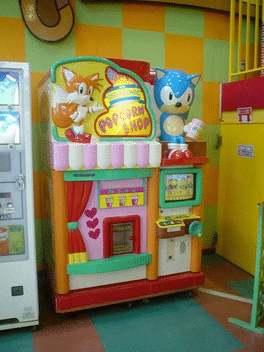
SegaSonic Popcorn Shop
1993
A hybrid popcorn machine and arcade game released only in Japan. Players would choose from three different flavors of popcorn and turn the crank to help Sonic and Tails cook it, then to help them escape from Robotnik when he tries to destroy the operation. Once the popcorn is done, it is dispensed in a bag with Sonic inviting the player to come back any time.Galmedes
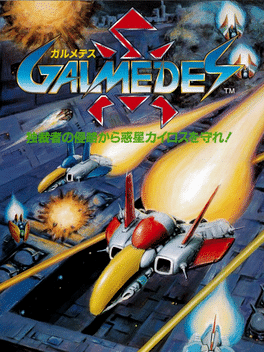
1993
Fire Ball
1993
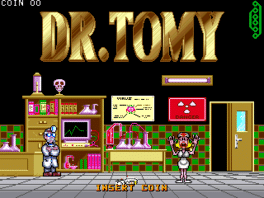
Dr. Tomy
1993
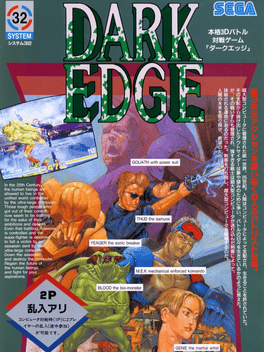
Dark Edge
1993
Dark Edge
1993
Dark Edge is a 1992 fighting game by Sega for the Sega System 32. It uses sprite scaling to simulate a 3D playfield, meaning it predates Virtua Fighter as a 3D fighter by about a year (though the 3D in Virtua Fighter isn't simulated, but rather true rendered 3D graphics). You can play as either warriors or monsters, but otherwise this is a typical fighting game with a dedicated jump button (as Up moves back). Although the title screen reads "1992", the arcade game was first sold in early 1993.Guardians of the 'Hood
1993
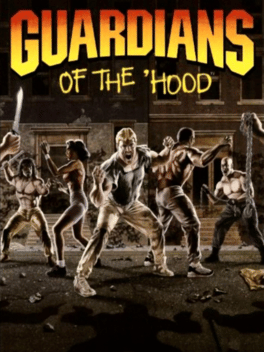
Three gangs have taken over your once peaceful neighborhood. Your job: break them up and convert their evil bosses to your side. Only then can you to regain your city and unmask the shocking identity of Mr. Big.Riot
1992
Title Fight
1992
Title Fight
1992
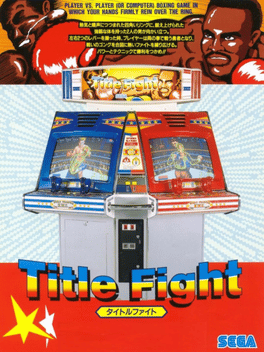
Title Fight is a behind-the-back boxing game developed by Sega-AM3 and released by Sega for arcades (using Sega System 32 hardware) in 1993. A spiritual successor to Sega's 1987 game Heavyweight Champ, Title Fight features a similar twin-joystick control setup that corresponds each oversized joystick (or "glove handle") with each of their boxer's arms, giving the illusion of throwing actual punches and guarding or dodging their opponent. The game follows one of several boxers in their journey to winning the championship belt. Title Fight takes full advantage of the hardware's sprite-scaling effects not only for the large character sprites, but also for the ring itself (which now rotates in a 3D space, allowing for 3D side-stepping). It also features linked multiplayer, one of the few boxing games of its type to do so.Command War : Super Special Battle & War Game
1992
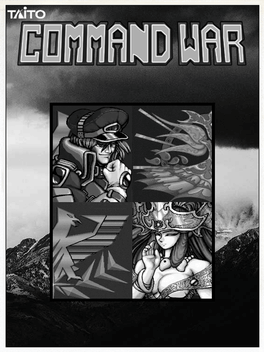
It's a strategy game, that sees you moving troops around a simple board. When one of your troops meets one of the enemy's troops, they enter a little battle.Quiz F1 1,2 Finish
1992
Muggo!
1992
Terebi-denwa: Super Mario World
1992
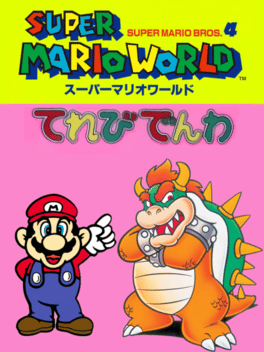
A redemption game released by Banpresto which uses a telephone as input.Space Lords
1992
Space Lords
1992
Space Lords is a video game released in arcades by Atari Games in 1992. It is a first-person perspective space combat video game which allows the player to fly in any direction.Stadium Cross
1992
Stadium Cross
1992
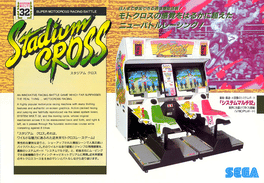
Stadium Cross is a motocross racing game where you race motorcycles in stadiums. The bikes can also perform wheelies, high jumps and realistic corner turns. It supports up to eight people racing each other at a time. The riders can hinder each other.Miyasu Nonki no Quiz 18-kin
1992
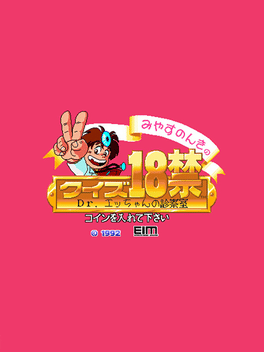
A Japanese quiz game where if you answer correctly women take off their clothes.Hook
1992
Gallagher's Gallery
1992
Gallagher's Gallery
1992
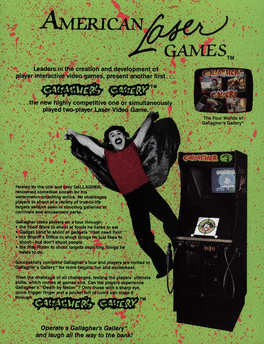
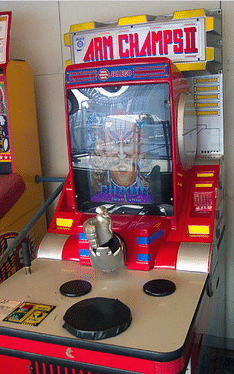
A LaserDisc-based light-gun game from American Laser Games featuring everyone's favorite watermelon-smashing "comic," Gallagher.Arm Champs II
1992
Arm Champs II
1992
This arcade machine has you going one-on-one with the world's most championed arm wrestling contenders. Sorry, left-handed players!Brick Zone
1992
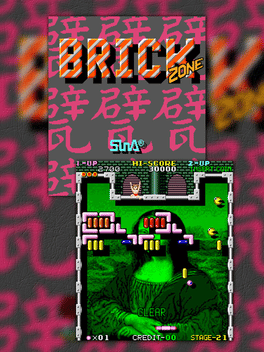
Brick Zone
1992
Breakout-style game by SunA Co. that features several famous arts in the background (some with nudity) and some well-known songs such as "Chorando Se Foi"/"Lambada" and "Ode to Joy". As you progress through the stages, the player will also come across bizarre bosses, such as a clown's head with stretching arms.