New Ps3 Games - Page 301

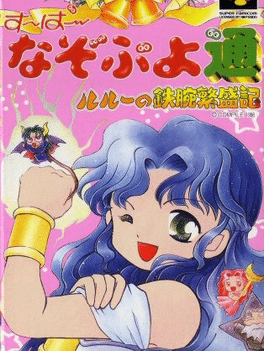
Super Nazo Puyo Tsuu: Rulue no Tetsuwan Hanjyouki
1996
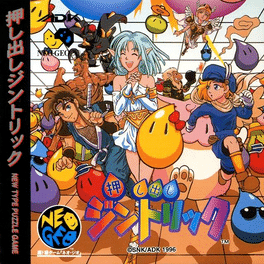
Super Nazo Puyo Tsuu: Rulue no Tetsuwan Hanjyouki is a Puzzle game, developed and published by Compile, which was released in Japan in 1996.Oshidashi Zintrick
1996
2do Arukotoha Sand-R
1996
2do Arukotoha Sand-R
1996
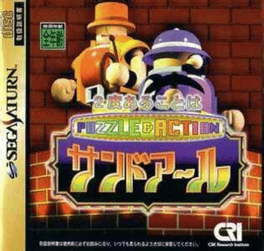
2do Arukotoha Sand-R (2度あることはサンドア~ル) is a version of Puzzle & Action: Sand-R released for the Sega Saturn by CRI in 1996.Super Gussun Oyoyo 2
1996
Toppy & Rappy
1996
Toppy & Rappy
1996
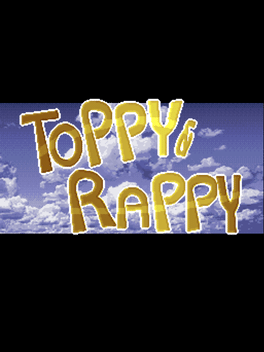
Toppy & Rappy can be seen as a sucessor in spirit to Metal Saver, although it seems inferior to the two years older game in many ways. Not only does it run in a lower resolution, but the art style is very inconsistent between sprites and backgrounds as well. Once again one male and one female character are used as protagonists, but this time they have equal abilities and only differ in their looks. Instead of grabbing powerups directly, the two gather money by defeating enemies, which is used to buy weapons and ammunition in a shop between stages.Puyo Puyo Sun
1996
Puyo Puyo Sun
1996
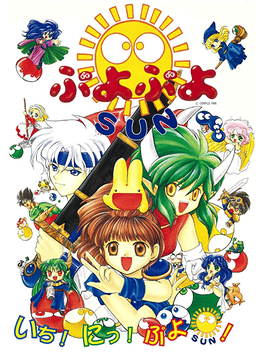
Puyo Puyo Sun also as Puyo Puyo 3 is the third installment of the Puyo Puyo game series. The game was initially developed for the Sega Saturn-based ST-V arcade hardware in 1996. The game's title and emphasis on the sun is a play on the Japanese word for the number three, san.Puyo Puyo CD Tsuu
1996
Puyo Puyo CD Tsuu
1996
The PC-Engine CD port features full voice work with a cast consisting entirely of professional voice actors, and also includes character-unique chain phrases.Golly! Ghosts! Goal!
1996
Tetris X
1996
Tetris X
1996
Tetris X is a tetris game with 2 game modes: Battle & Classic mode. In the battle mode you can play up against 3 human players or against the computer.Bust-A-Move 2: Arcade Edition
1996
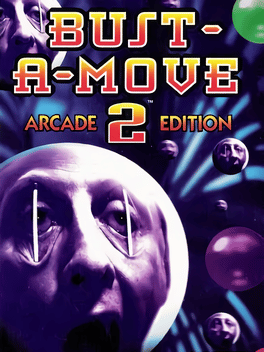
PlayStation 3 Nintendo 64 PC (Microsoft Windows) Mac DOS Sega Saturn PlayStation PlayStation Portablestar 7.4Bub and Bob are back! Like in Tetris in reverse, you shoot bubbles at an array of different-colored bubbles stuck in an ever descending ceiling, attempting to match them up three by three to make them disappear. This edition contains both puzzle challenges, multiplayer and normal progressive stages.My Best Friends: St. Andrew Jogakuin Hen
1996
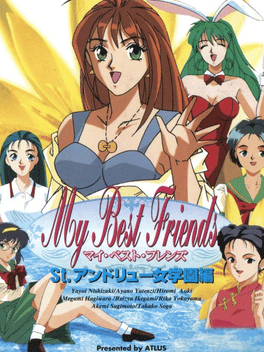
My Best Friends: St. Andrew Jogakuen Hen is a Puzzle game, developed by ISCO and published by Atlus, which was released in Japan in 1996.3-D Tetris
1996
3-D Tetris
1996
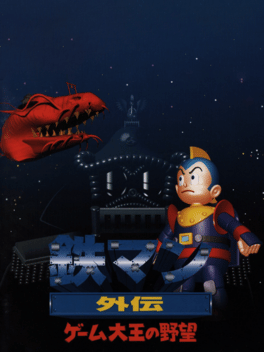
3-D Tetris is a video game released for the Virtual Boy in 1996. A Japanese version was planned, to be called Polygo Block, but production of games was ceased due to lack of interest in the Virtual Boy system. This was the last game released on the Virtual Boy. The mesmerizing force of Tetris returns with virtual style! This thrilling animated puzzler takes dexterity and split-second timing to the extreme with dimensional blocks and challenging planes. 3-D Tetris propels players at a demanding pace where quick response and strategy rule. Tetris devotees of all levels will crave this latest sensation of brain-teasing fun!Tetsuman Gaiden
1996
SameGame: Character Cassette
1996
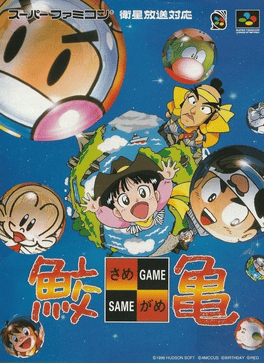
A data pack for SameGame which adds character data. It was released in a write-protected memory packs which was meant to be inserted in the slot of SameGame. It is considered part of the Satellaview library.SameGame: Character Data - Tengai Makyou
1996
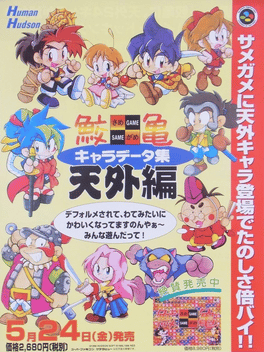
A data pack for SameGame which adds character data for Far East of Eden characters. It was released in a write-protected memory packs which was meant to be inserted in the slot of SameGame. It is considered part of the Satellaview library.Soreyuke Ebisumaru: Karakuri Meiro - Kieta Goemon no Nazo
1996
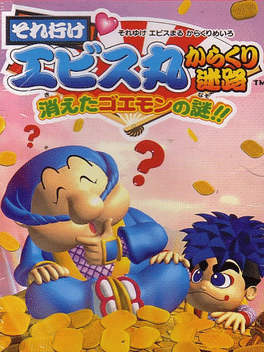
A spin-off game of Ganbare Goemon series. It is a puzzle game starring the titular fat ninja. Viewed from an overhead angled perspective, you are given a small level and must guide Ebisumaru to the end.Logic Puzzle Rainbow Town
1996
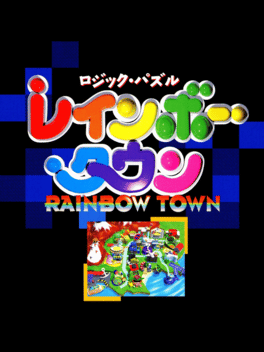
Logic Puzzle Rainbow Town is a nonogram game that features over 700 different puzzles of different themes and also a nonogram puzzle editor.Blockids
1996
Blockids
1996
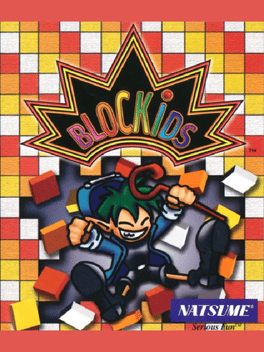
Blockids for PlayStation is a 3D take on the arcade classic Breakout. Players choose one of eight animated characters and prepare to compete against an assortment of colorful opponents whose fortresses must be breached. The object is to break a series of bricks by smashing a ricocheting ball into them using a horizontal paddle. The default view is presented from an angled top-down perspective, but players can switch to a perspective right behind the paddle for a more 3D feel. New twists on the classic gameplay include the ability to bounce the ball over barriers as well as earn a special power-up by scoring a certain number of points.PD Ultraman Link
1996
PD Ultraman Link
1996
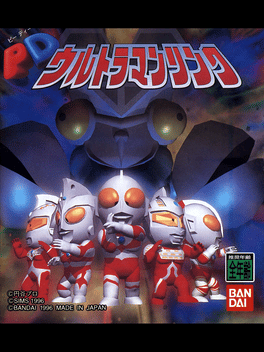
PD Ultraman Link is a falling-block puzzle game featuring the Japanese superhero Ultraman and many of his allies and foes. Blocks of various colors fall into the well in pairs; each block has two connections, and connecting three or more blocks together regardless of color will cause them to disappear. Any blocks above the ones removed will fall into the now-open space, potentially creating chain combos which will send garbage blocks that must be cleared twice to the opponent. Additionally, connecting four blocks of the same color will clear all blocks of that color from the board, while connecting four each of a different color together will clear all the garbage blocks on the screen by one stage. If the blocks stack past the line at the top of the well, that player loses the match. The game includes a single-player story mode, as well as a free battle mode against the computer or another player. There are 10 different characters to choose from: five Ultra Heroes and five aliens.Super Puyo Puyo Tsuu Remix
1996
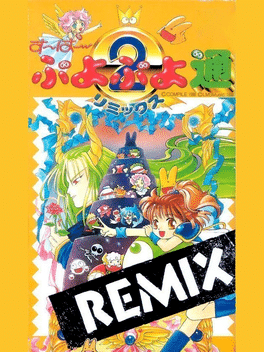
Super Puyo Puyo 2 Remix is a puzzle action game released by Compile for the Super Famicom. The main differences between this “Remix” version and the original Super Puyo Puyo 2 are the addition of a four-player multiplayer mode with computer-controlled opponents, an Expert course, and a number of other minor changes.