New Sega Game Gear Games - Page 46

Chessmaster Live: Rayman Raving Rabbids
2008
Why don't you invite Rayman and his delirious Raving Rabbids friends to share your chess board? Those completely out-of-control bunnies will bring fun and absolute craziness to your contests… Featuring hilarous animations, this 3D chess set will rock your game!Chessmaster Live: Fork My Fruit
2008
Enjoy new ways to play chess with this original mini-game: learn or perfect your art of moving chess pieces in Fork My Fruit.Sengoku Rance: Sanbiki ga Kittari Tsuitari Moyashitari - Slash! Thrust! Burn!
2008
Suzume's past comes back to haunt Kanami as a Silver Eye Sect ninja named Kakusui steals Kanami's Decapitation Blade and plans to get revenge on Suzume and Inukai over the death of her leader, Gumo Danjou by using its abilities to become stronger than Suzume. The chase is on, as Kanami, Suzume and Senhime work together in order to get Kanami back her Decapitation Blade.Chessmaster Live: Mushrooms Set
2008
Edible or not this set represent one of Chessmaster's most unconventional chess sets.Chessmaster Live: Egypt Chess Set
2008
Download this brand new 3D chess set and have more fun playing chess!Chessmaster Live: Mongol Chess Set
2008
Download this brand new 3D chess set and have more fun playing chess!Chessmaster Live: Pyramids Chess Set
2008
Download this brand new 3D chess set and have more fun playing chess!Chessmaster Live: Spheres Chess Set
2008
A chess set with nice and warm colors, with lots of appeal for kids who want to learn chess.Chessmaster Live: Mechanica Chess Set
2008
Download this brand new 3D chess set and have more fun playing chessChessmaster Live: Classic Set
2008
Download this brand new 3D chess set and have more fun playing chess!Chessmaster Live: Lewis Set
2008
Add this faithful 3-D reproduction of the earliest known European chess set to your collection.Totally Spies! Totally Party
2008
The game is primarily based upon a series of mini-games distributed around 10 boards and a showroom. On each board, 1 to 3 players will be able to face-off with a "bad guy". The players must win the mini-games in order to gain popularity points and lay traps against the bad guy. Watch out, the bad guys can also lay traps!Chessmaster Live: Calvert Chess Set
2008
A faithful 3-D reproduction of the Calvert style chess set for Chessmaster Live.Chessmaster Live
2008
Chessmaster Live
2008
star 8Chessmaster LIVE is a chess game for Xbox LIVE that allows players to compete against friends and opponents worldwide. The game features various 3D and 2D sets, virtual characters, and online multiplayer. It also includes puzzle-solving and scenario modes for beginners and experienced players to learn and improve their chess skills.Momotaro Dentetsu Tohoku Deluxe
2008
Momotaro Dentetsu Tohoku Deluxe is a video game in the Momotaro Dentetsu series of board game-style video games, genre released in 2007 by Hudson Soft for mobile phones.Dominó
2007
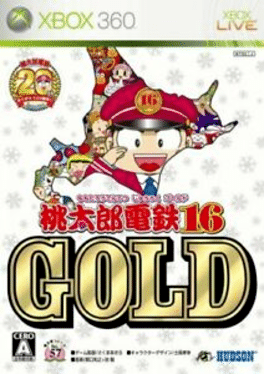
Momotaro Dentetsu 16 Gold
2007
Momotaro Dentetsu 16 Gold is a video game in the Momotaro Dentetsu series of board game-style video games, genre released in 2006 by Hudson Soft.Jinsei Game Wii
2007
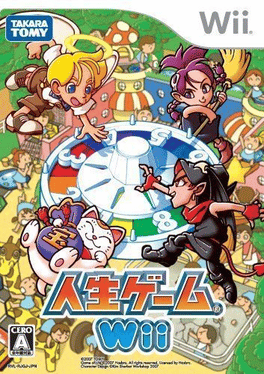
Jinsei Game Wii
2007
Jinsei Game Wii is a board game which was released in Japan in 2007. It is based on the Japanese version of the US game "The Game of Life". An upgraded version, Jinsei Game Wii EX, was released later on.Simple Wii Series Vol. 3: Ason de Wakaru - The Party Casino
2007
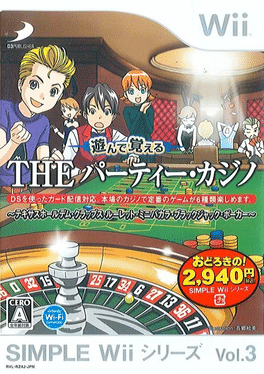
Ason de Wakaru - The Party Casino is a Miscellaneous game, developed and published by D3Publisher, which was released in Japan in 2007.