New C64 Games - Page 195

Chessmaster II
1999
Chessmaster II
1999
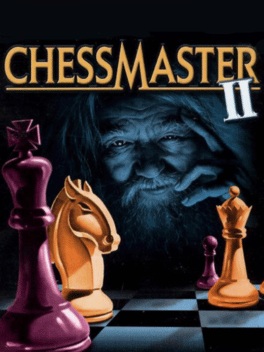
Choose from 24 animated chess sets, including Mycenae, Egyptian, Isle of Lewis, and Stanton in Chessmaster II, a chess strategy board game. Try to checkmate your friends, or challenge one of the 64 computer opponents (each with a different style of play and varying degrees of skill), or try to beat one of the 30 Grandmaster profiles. You'll never miss an opening in the 3D mode, since you can rotate the camera to any angle you want. Or, if you prefer, play on a flat 2D board. Chessmaster II brings the thrills and challenges of chess to life.Spectral Force: Itoshiki Jaaku
1999
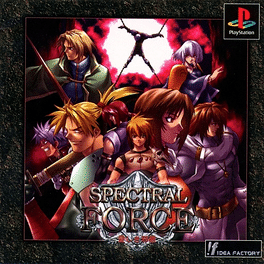
This is the story which became to be called Neverland Great War later. A hero knocked the Devil down just as a legend. After the Devil had died, a country was splited and people begin to fight. Spectral Force Lovely Wickedness is the third game in the series and sequel to Spectral Force 2.Biing! 2: Sonne, Strand und Heisse Nächte
1999
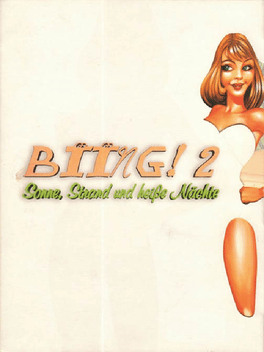
In Biing! 2, you take over the part of a hotel manager at a holiday resort called "Lollibay Inn". You'll have to care for employees and for the facilities of your club (e.g. pools, SM-centers, etc.).Marionette Handler
1999
Assault Suits Valken 2
1999
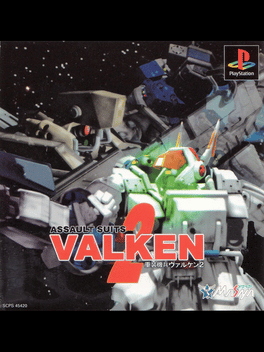
The sequel to the SNES title in the series released on the Sony PlayStation. It differed from the rest of the series, as it was a Strategy/RPG, unlike the rest, all being Action/Shooter/Platform titles. After the release in 1999, the same game would be reprinted by the company Four Winds on August 30, 2001. This game was never released outside Japan either.Farland Odyssey
1999
Farland Odyssey
1999
A side-story to the Farland games. An unknown boy named Dyan has stolen a sacred book that was kept in secret for a long time. With the help of this book, it is possible to revive an ancient god, which will bring destruction to the world. You control a group of mercenaries whose task is to find Dyan, bring an end to his plans, and find out his true motives.SD Gundam: Emotional Jam
1999
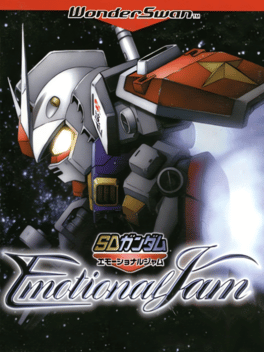
SD Gundam: Emotional Jam is a Strategy game, developed by Tom Create and published by Bandai, which was released in Japan in 1999.Mech Commander Gold
1999
Mech Commander Gold
1999
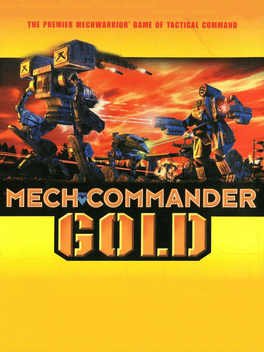
MechCommander Gold adds a new campaign, introduces difficulty settings & patches a few things about the main game.Anchorz Field
1999
Anchorz Field
1999
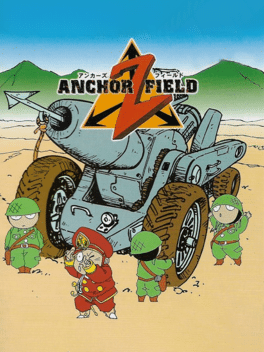
In Anchorz Field you need to anchor off territory using harpoon firing tanks, in a similar style to how you would in QIX and battle against other bobble headed armies to take over an archipelago of islands. It contains a variety of maps with different terrain, such as mountains, which restrict movement. Combat is turn based, and the harpooning of territory works off vectors not restricted to cardinal directions. Before and during battle there are illustrated cutscenes with text explaining the story.Saga: Rage of the Vikings
1999
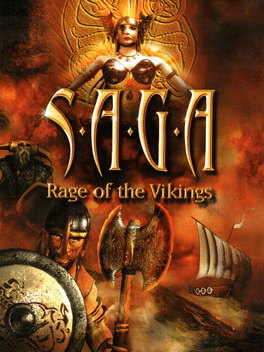
Saga: Rage of the Vikings is a Strategy game, developed and published by Cryo Interactive, which was released in Europe in 1999.Super Robot Taisen Complete Box
1999
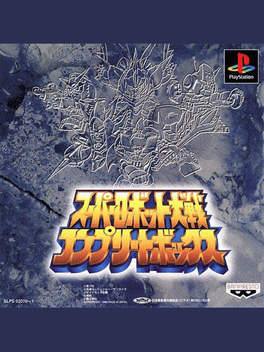
star 7.5A collection of the original Super Robot Wars series consisting of Super Robot Wars 2, 3, and EX, remade for the original PlayStation. The game's graphics are enhanced and the systems and mechanics within are updated to match those of Super Robot Wars F and F Final. An included second disc is an encyclopedia, containing a collection of cut scenes and voice data from the first game along with a two player versus mode.Lord of Monsters
1999
Chaos Gear: Michibi Kareshi Mono
1999
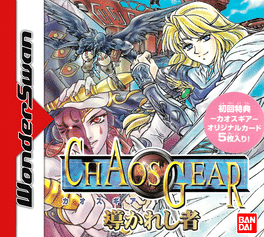
Chaos Gear: Michibi Kareshi Mono is a Strategy game, developed by Lay-Up and published by Bandai, which was released in Japan in 1999.Corsairs Gold
1999
Corsairs Gold
1999
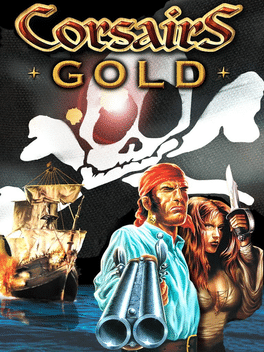
About: Plunge into a world of adventure and freedom and discover the excitement of sailing, the thirst for gold, thundering cannons, and savage pirate attacks. A fascinating quest will drive you to the four corners of the Earth and new adventures will await you in each port along your journey. You will accumulate fortune for yourself and for your country, either by force or through your shrewd business dealings. As an accomplished warrior and a skillful negotiator, only strategy will serve to forge your reputation. You may even succeed in becoming more admired than the king and more feared than the most barbaric of pirates!Royal Blood II
1999
Wild Metal
1999
Wild Metal
1999
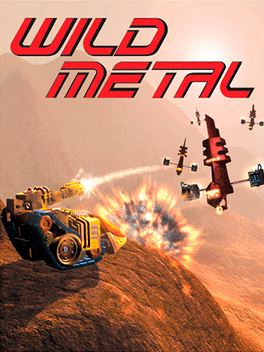
Wild Metal is a 3D strategic vehicular combat game set in a distant land, in which you command armed roving vehicles to disrupt dangerous automated military units that have overtaken the Tehric planetary system.Onegai Monsters
1999
Onegai Monsters
1999
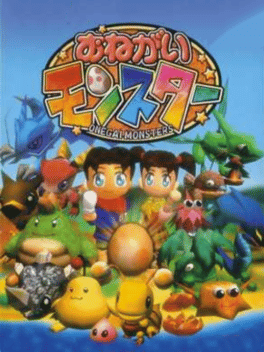
The game is a 3D RPG in which the player character is a child who starts a journey to become a monster breeder on his tenth birthday. After receiving and hatching an egg, the player walks around the world, completing requests from people and raising monsters. Requests are basic RPG quests—such as collecting an item for a non-playable character—and the monsters fight in Pokémon-style, turn-based battles. Unlike Pokémon, every monster in the game comes from the one baby that the player receives as their first monster. Depending on the food it is fed, the monster gains element points, which determine how it evolves. Monsters level up both through defeating other monsters and when walking around the town. Monsters hatch from eggs that can be bought at the local monster shop.