New Games - Page 12911

Sangokushi III
1993
Sangokushi III
1993
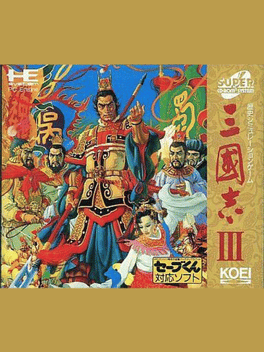
The PC-Engine CD-ROM version of Sangokushi III (Romance of the Three Kingdoms III) includes an additional scenario: The Yellow Turban Rebellion (AD 184) After choosing the scenario, players determine which warlord(s) they will control. Custom characters may be inserted into territories unoccupied by other forces. A total of 46 different cities exist, as well as hundreds of unique characters. Each character has several statistics: War Ability, Intelligence, Politics, Charisma, Army Command, Naval Command. The player wins the game by conquering all territories in China. This is accomplished by being in control of every city on the map.Championship Pool
1993
Championship Pool
1993
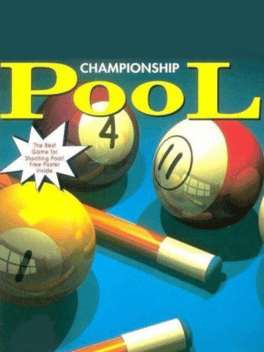
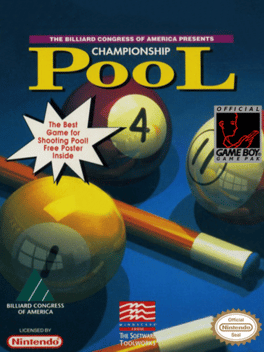
NES Port of "Championship Pool". The game is a straight-forward, virtual version of pool and includes several games: eight-ball, nine-ball, three-ball, ten-ball, fifteen-ball, straight pool (14.1 continuous), rotation, equal offense and speed pool. The player may play against the computer or up to seven other players using the same console using the "Party Pool" (multiplayer) option. Other gameplay modes include "Tournament" (single-player, computer opponents), "Freestyle" (players make up own game rules) and "Challenge" (single-player, shot practice).Championship Pool
1993
Cool Spot
1993
Cool Spot
1993
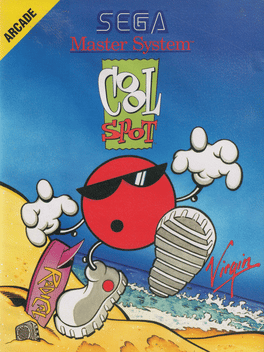
"Cool Spot" is a platform game developed by Virgin Games, starring the 7 Up mascot, Spot. In the game, players control Spot, who can jump and attack by throwing soda bubbles. The primary goal of each level is to rescue other cool spots by collecting a certain number of "spots." The game was a commercial success, selling one million copies, and was praised by critics for its enjoyable gameplay and graphics, even with its prominent product placement. A notable difference in the game existed between its North American and European releases. In Europe, the 7 Up branding was removed and replaced with generic or Virgin-branded items. This was because Fido Dido, not Spot, was the official 7 Up mascot in international markets at the time. The game's success led to a sequel titled "Spot Goes to Hollywood."Angel
1993
Sunset Riders
1993
Last Action Hero
1993
Last Action Hero
1993
Buster Bros.
1993
Buster Bros.
1993
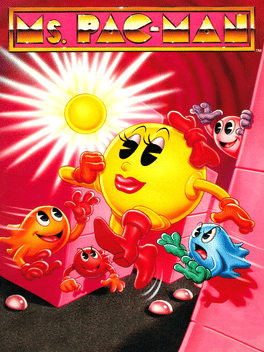
The Game Boy version of Buster Bros. (also known as Pang in some regions) is a portable adaptation of the arcade game developed by Mitchell Corporation. Released in 1990, it retains the core gameplay, where players use a harpoon gun to pop bouncing bubbles while avoiding contact. The game features multiple levels set in different world locations, but with simplified graphics and gameplay adjustments for the handheld system.Ms. Pac-Man
1993
The Real Ghostbusters
1993
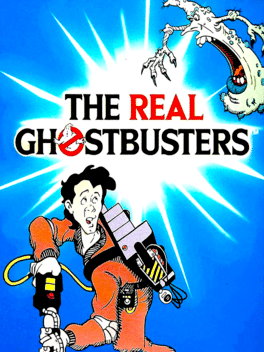
star 6.8The Real Ghostbusters, known as Garfield Labyrinth in Europe and Mickey Mouse IV: Mahou no Labyrinth in Japan, is a puzzle/platform game. The story is very simple: Venkman (or Garfield and Odie or Mickey and Mini Mouse, depending on the version you play) walk over a bridge one day, a tile breaks loose and Venkman/Garfield/Mickey falls down a deep pit, which ends up in a bizarre labyrinth, which Venkman/Garfield/Mickey must escape. There's no other goal apart from that, the player just needs to find the exit in each level. Apart from getting there, the exit must also be unlocked. For the latter, the player must collect all gems in the level.Power Strike II
1993
Power Strike II
1993
Power Strike II is a shoot 'em up for the Sega Game Gear in Compile's Aleste series and the sequel to GG Aleste. Not to be confused with Power Strike II for the Sega Master System.Run and Gun
1993
Run and Gun
1993
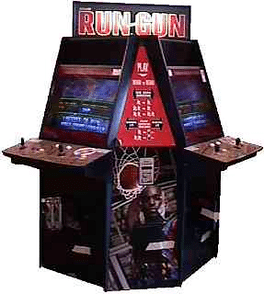
Arcade basketball game similar to NBA Jam. Play against others on separate cabinets.Lunatic Dawn
1993
Lunatic Dawn
1993
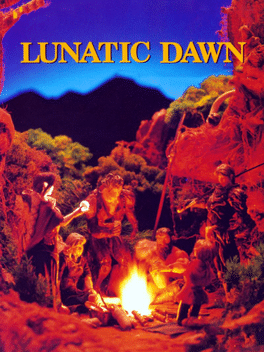
The first title in the Lunatic Dawn series from Artdink, released in 1993 for PC-98 and FM-Towns. The game is dedicated to character creation, RPG-style character development, and exploration. In the beginning, the player creates the playable character, choosing age, gender, and even weaknesses - all of which affect the character's parameters such as stamina, weapon technique, charisma, etc. Afterwards, the player allocates points into the remaining parameters. The player starts in a city and is absolutely free to go wherever he/she wants. There is a day/night cycle in the game. It is necessary to keep an eye on the character's stamina and buy food rations - the character can die of exhaustion and hunger. Random enemies appear on the world map and in dungeons. Battle screen is isometric and allows free movement. It is not necessary to choose a command for each turn: the battles evolve automatically until the player interrupts them with a new command.Rokudenashi Blues
1993
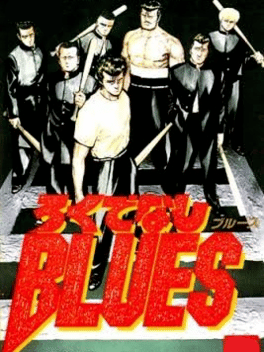
Rokudenashi Blues
1993
An RPG brawler released for the Family Computer and Super Famicom based on the anime and manga of the same name. Both were developed by TOSE and published by Bandai. Rokudenashi Blues ("Good-for-Nothing Blues") is a RPG brawler based on the manga of the same name, which also saw two anime movie adaptations close to its release. The player character, Taison Maeda, is a delinquent student who is training to be a professional boxer. He has a reputation as a powerful fighter among delinquent gangs as a result, though despite being violent he has a code of honor. The Famicom and Super Famicom versions of the game are subtly different due to console differences, but both share their genre, developer and publisher. The Famicom game was released in October 1993, with the Super Famicom version following in April 1994. Characters from this game have appeared in Jump crossover games, specifically Famicom Jump II and Jump Ultimate Stars.Star Trek: The Next Generation
1993
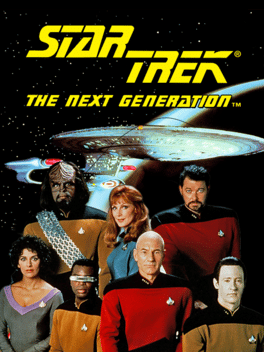
star 5.9Star Trek: The Next Generation is divided into a series of missions. Players will start on the main screen of the bridge and from there can access Navigation, Tactical, Operations, Engineering, Transporter Systems and Mission Control. Mini-games are sometimes used to complete certain ship functions (such as rerouting power to the shields).Formula One
1993
Formula One
1993
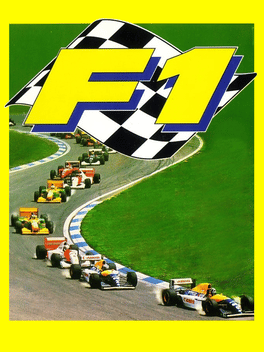
In Formula One, your car could reach a blistering 200mph - and it's speed you can feel. And if that's not fast enough for your lead foot, check out our Turbo Mode - kick in the afterburners and scream past the grandstands at a cool 220! Only Formula One by Domark can give you that rush. Strap on your helmet and buckle-up 'cause you're gonna race against the real pros of Formula One World Championship - on 12 international circuits including England's super-fast Silverstone raceway and the world famous Monaco track at Monte Carlo.NBA Showdown
1993
NBA Showdown
1993
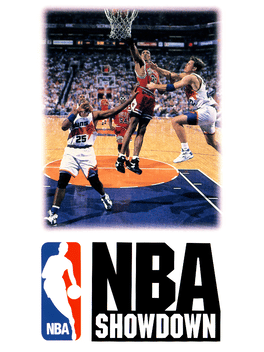
The final entry in Electronic Arts' basketball series based on the old NBA playoffs engine before the NBA Live series took over. For the first time, the game features all 27 NBA teams from the 1993-1994 season. You can now play a full season with 82 games in addition to playoffs and exhibition games.Super Off Road: The Baja
1993
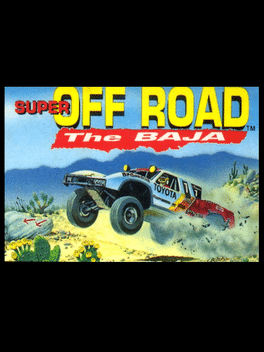
star 3.6Super Off Road: The Baja is a sequel of Super Off Road. Unlike its predecessor which uses an isometric top-down view of a single-screen track, this arcade racing game is made specifically for the SNES and uses its Mode 7 hardware for a 3D racing experience with a 3rd person perspective.