New Games - Page 12683

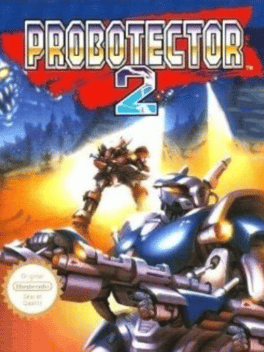
Probotector 2
1995
Probotector 2
1995
Probotector 2 is the European port of Contra: The Alien Wars (Game Boy). It changes the main characters and enemies into robots.Jan Pienkowski Haunted House
1995
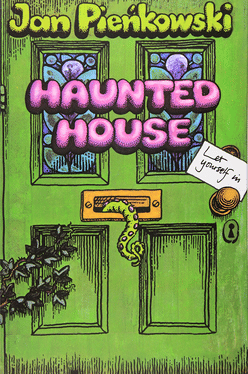
Jan Pienkowski Haunted House is an adaptation of the pop-up children's book of the same name by Jan Pienkowski. In this game for children of ages 4 to 8 they explore a haunted house that's filled with strange creatures and fun-filled games. There is no real horror to be found, but strange ghosts and monsters from both Earth and beyond do hide out in the house. Each room features original art from the pop-up book and can be explored at will. Clicking on hotspots in the room activates funny animations that will appeal to children. These are accompanied by sometimes ominous music but mostly funny sound effects. Using a map of the house the player can quickly travel to any part of the house. There's no real objectives rather than to have fun and explore.Strawberry Magic
1995
Strawberry Magic
1995
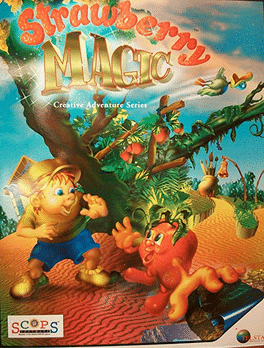
An edutainment game where you must help a young boy learn magic the "strawberry" way in time for his school play.ArsDoom
1995
ArsDoom
1995
An attempt for an artists project using the wellknown doom engine and wellhacked internal formats. No blood-feast! About 20 artists have been invited to exhibit in the virtual museum located in the Brucknerhaus in Linz, where every year an exhibition for the worlds greatest computer art contest, the prix ars electronica is celebrated. So people around the world who cannot come to Linz this time participate at the exhibition in the virtual Brucknerhaus. All the artists are there virtually (at least there heads and projects). Some personally, some computer generated. Max. 4 of them on the net, the other 20 as monsters. And have fun interacting with the different projects, be an artist like Arnulf Rainer, Hermann Nitsch, Baselitz or Nam June Paik.Patchwork Girl
1995
Patchwork Girl
1995
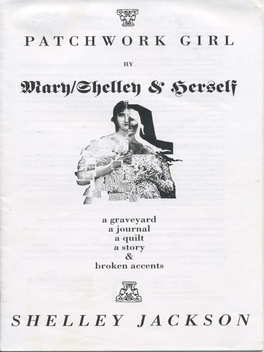
Patchwork Girl tells the story through illustrations of parts of a female body that are stitched together through text and image. The narrative of the story is divided into five segments, titled: "a Graveyard", "a Journal", "a Quilt", "a Story", and "& broken accents." The goal of the piece is to not only make the reader realize the structure of the Patchwork Girl as a whole but also realize all the pieces that must be "patched" together in order to create one unified structure.BS Parlor! Parlor!: Dai-1-shuu
1995
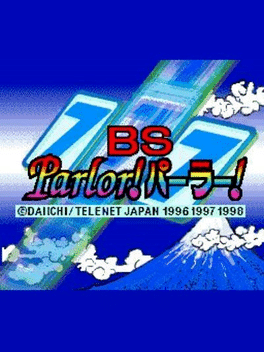
The first episode of BS Parlor! Parlor! BS Parlor! Parlor! is a Downloadable 2-part Soundlink game for the Satellaview that was broadcast between March 1, 1998 and March 14, 1998. At various times throughout 1995, the game was accompanied by full-day broadcasts of a strategy magazine entitled BS Parlor! Parlor! Kouryaku Magazine.Undake30 SameGame Daisakusen
1995
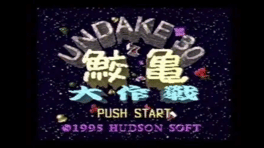
Undake30 SameGame Daisakusen is a puzzle game published by Hudson Soft for the Satellaview. It later received a Mario-inspired version.Cyborgirl
1995
Necrobius
1995
Necrobius
1995
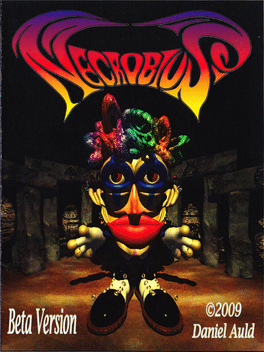
In development circa 1995, Necrobius was supposed to be a surreal humorous adventure through the brain of a scientist. The demo appeared in July 1995 issue of PC Gamer, but the game itself was subsequently cancelled by the publisher MicroProse. It was ultimately released as freeware in 2014 by the developer Daniel Auld himself.Lucky Stars Video Slots
1995
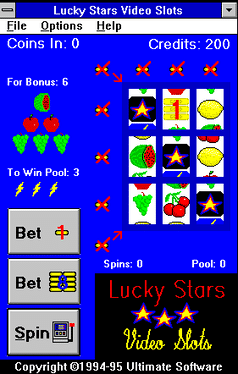
Lucky Stars Video Slots is a single-player, shareware slot machine game. This game is based on an old fashioned three reel slot machine and pays out on three horizontal, three vertical and two diagonal lines. The stake / bet can be varied by the player and additional credits can be borrowed when required. The game has sound, and a save/load function The full version has an additional Hi/Lo card game in which the player can gamble their winnings.ScruTiny in the Great Round
1995
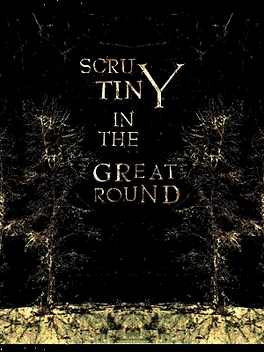
Enter a magically interactive dreamscape through which you wander and make astonishing discoveries. Or just relax and savor the paintings, poetry and music that ebb and flow at your command. Navigate through a banquet of interwoven images, metaphoric icons, audible symbols, and words.The Dungeons of Grimlor II
1995
The Dungeons of Grimlor II is a single player, shareware, DOS dungeon game. The dungeons are labyrinthine and are full of traps to avoid, monsters to battle and puzzles to solve. Boulders can be moved to trap nasties and to block arrow shooting walls. There are some monsters which cannot be killed by Sir Merdimek's arrows, though they are vulnerable to other things, and there are wizards who can raise the dead. Sir Merdimek can ride rivers to secret rooms and use teleporters which may lead more hidden treasures.Wolfsbane
1995
Wolfsbane
1995
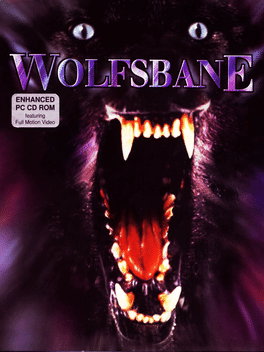
Wolfsbane is predominantly an adventure game, which plays for the most part similarly to point-and-click examples of the genre, despite the unusual side-scrolling perspective. The player must explore the town, talk to its inhabitants, and gather information and items in order to solve the mystery. The game utilizes a branching dialogue system. It also has action elements, present in the sporadic combat and a health meter for Axel.Magus
1995
Magus
1995
Magus is a Korean-made hybrid of a role-playing and a real-time strategy game. The game is set in the medieval fantasy world Castalia, and involves battle for dominance between various kingdoms and provinces. Combat is handled in a RTS fashion, with the player- and AI-controlled forces moving on an overhead battle screen and executing commands in real time. The battles occur between medium-size parties led by individual characters with unique attributes and personalities. These leaders also receive experience, level up, and learn magic spells in a RPG fashion. The game's structure and pacing are also reminiscent of an RPG rather than an RTS: there is no base-building or resource management, and the missions involves completing fairly linear stages that consist chiefly of combat and plot-advancing dialogue.Curse of Dragor
1995
Curse of Dragor
1995
Curse of Dragor is a single-player, role playing game similar to Dungeon Master, Eye of the Beholder and the like. The story takes place in Xorinth which lies in waste after being cursed by the banished Prince Dragor. The player ventures out with the goal of restoring the land to its former glory. The main character will be joined by 3 others to form a 4-person party. Characters level up as they gain experience while fighting off monsters with medieval weapons (swords, daggers, flails and more). The game boasts that there are "5,000 locations to explore and more than 500 objects to examine."Jack the Ripper
1995
Jack the Ripper
1995
Back in 19th Century England, one man was able to kill and kill again without ever been caught. That man was Jack the Ripper. Now, the player is a Scotland Yard detective on the trail of this famous killer. He must converse with suspects, highlighting any important information that could be valuable to his case. Then, when he thinks he has enough evidence, the player pieces the clues together to finally catch the infamous killer.Catacombs
1995
Great Adventures: Castle
1995
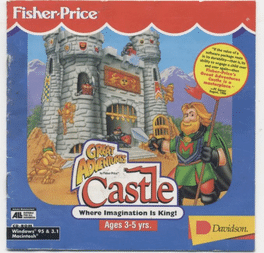
Woe to the Fisher-Price kingdom! The good King McBeard's castle was taken over by his brother, the evil King Smudge and his Naughty Knights. It is up to you to help McDuff find where the Good Knights have been hiding and convince them to help take back the castle from King Smudge. Players can choose to play a game where they will only have to rescue two of the knights to win or a full game where they must find all six knights to storm the castle. Players must solve a variety of puzzles and challenges before they can save King McBeard. And if you win, the good McDuff will be knighted and join the other Good Knights in the castle. It contains elements of early learning for children including art, creativity, critical thinking, reading comprehension, imagination and role-playing.Sensible World of Soccer '95/'96
1995
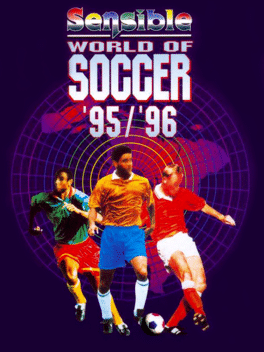
Sensible World of Soccer '95/'96 is the successor to Sensible World of Soccer. Besides updated team rosters, the most important additions are two new moves (curved passes with the after-touch system and standing headers), updated representation of athlete statistics (stars instead of numbers, each athlete has up to three specialist skills such as heading-shooting-finishing), the ability to tag an athlete (then he has a small diamond above his head during the match) and reserve teams. Smaller optical changes include animated audience or some new animations after a goal is scored. Also the active player's name is shown on the screen.