New Games - Page 11841

Tsumobaka Nisshi
1994
Tsumobaka Nisshi
1994
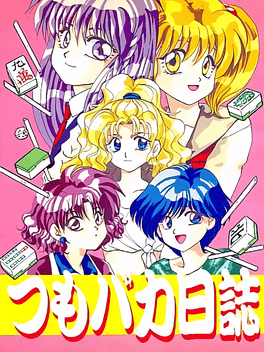
You play a long-haired salaryman as he visits random clubs to play in 4-player mahjong against girls, who strip if they run out of funds. The games don't end until you either strip all of the girls or run out of funds yourself.Way of the Warrior
1994
Way of the Warrior
1994
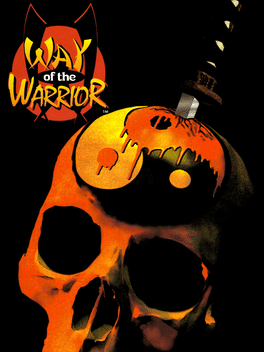
The planet's greatest warriors have been assembled in a citadel, high atop the Himalayan mountains. It is here that only one challenger will survive and have his name etched with magical blood into the Book of Warriors. The tournament will bring together good, evil, mortal, and immortal. The outcome will lie in the hands of one... you. Find the way, noble challenger, find the Way of the Warrior.Nettou Garou Densetsu 2: Aratanaru Tatakai
1994
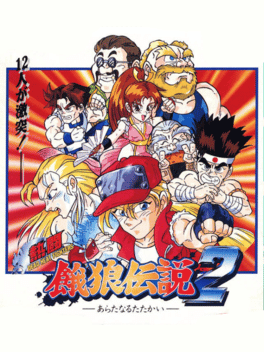
The three lone wolves return to clash with new opponents in the "Sultan of Slugs" Battle Royale. After a year in training, forging bodies of steel, Andy, Joe, and Terry take on the world.Nazo Puyo: Arle no Roux
1994
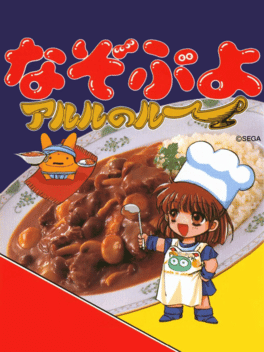
Nazo Puyo Arle no Roux (なぞぷよ アルルのルー; also mistakenly referred to as transliterations Nazo Puyo: Aruru no ruuu and Nazo Puyo: Aruru no Ru) is a puzzle game developed by Compile for the Sega Game Gear and released exclusively in Japan in 1994. Despite being the third game in the Nazo Puyo subseries, it is drastically different from its prequels, taking a combined RPG/puzzle approach to its (now existent) storyline. It would receive two sequels, both on the Super Nintendo Entertainment System (Super Nazo Puyo Rulue no Roux, combining a retooled version of this game with a new story mode focusing on Rulue, and Super Nazo Puyo Tsu: Rulue no Tetsuwan Hanjouki, a new game focusing exclusively on Rulue).Sekure Fuumin no Omocha Hako
1994
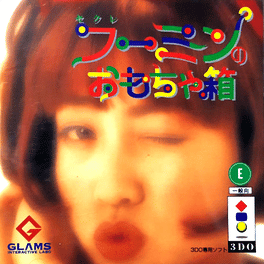
Adult FMV photo manipulation game. The player edits gravure images to be judged and ranked against the computer.Seaquest DSV
1994
Seaquest DSV
1994
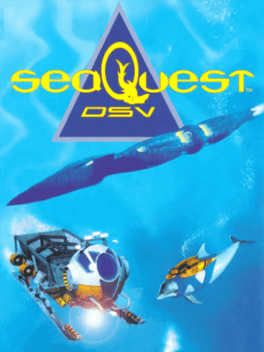
star 5.1seaQuest DSV is a real-time simulator/strategy game depiction of the seaQuest DSV television series for the Super Nintendo Entertainment System and Sega Mega Drive/Genesis. The player takes the role of the captain of the submarine seaQuest DSV 4600, and is tasked with carrying out a series of missions in a series of levels, divided up as "ocean quadrants". There is a seaQuest DSV game for the Game Boy as well, but it is completely different from the 16-bit console versions.EarthBound
1994
EarthBound
1994
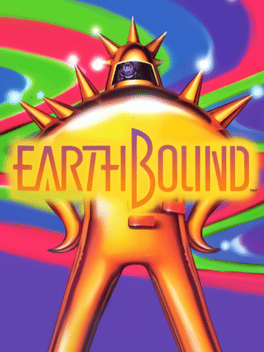
star 9.1A turn-based JRPG and sequel to then-Japan-only Earthbound Beginnings (1989) in which Ness, a young boy living in a land based on the USA, leaves home to go on an adventure through strange locations, get to know quirky characters and defeat an unknowable alien threat called Giygas while facing up to the realities of growing up and becoming familiar with the real world.Gibo: Sayaka
1994
Gibo: Sayaka
1994
Sayaka Kimura is a twenty-six year old women married to an older man who has two teenage children, a boy and a girl. Controlling different members of this household, the player follows a plot that mostly consists of sexual encounters of various kinds. Gibo: Sayaka plays mostly like a visual novel, with sparse movement and interaction, usually comprising context-specific action and dialogue choices. Most of the game is dedicated to sex scenes during which the player has to repeatedly go through the choices to trigger new ones and eventually conclude the scene.Crayon Shin-chan 4: Ora no Itazura Daihenshin
1994
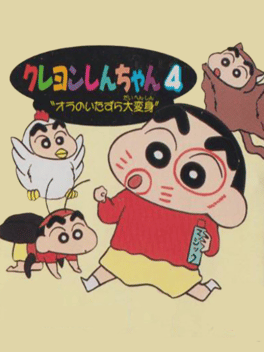
Crayon Shin-chan 4: Ora no Itazura Daihenshin is an Action game, developed by TOSE and published by Bandai, which was released in Japan in 1994.Ultraman: Chou Toushi Gekiden
1994
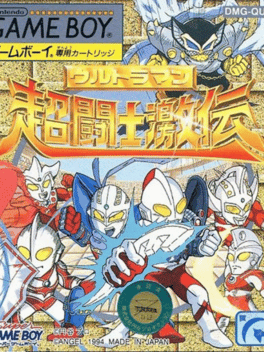
Ultraman: Chou Toushi Gekiden is an Action game, published by Angel (Bandai), which was released in Japan in 1994. Based on the Ultraman series. this game has you do everything from platfomring to side scroll shootingCyber Knight II: Chikyuu Teikoku no Yabou
1994
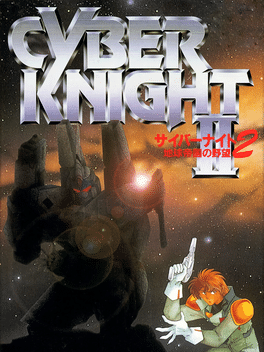
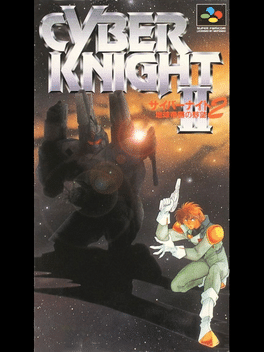
Cyber Knight 2 is a direct story sequel to the original (whose translation was also done by Aeon Genesis.) After the Swordfish´s crew reappears in known space, they are apprehended and imprisoned by the Earth Federation, a new military dictator having seized all of the Swordfish´s alien technology developed in the distant galaxy. It is a time of civil war amongst the federated planets, and the crew has been thrown directly into the center! Soon, new weapons called Metalliforms are created, which the General intends to use to conquer the galaxy! This thing´s moved really fast. It took just under two months, but it´s at the point where the game is not only fully playable, but it´s also one of the nicest pieces of work I´ve done yet. Seriously, the hacking on this is really pretty. Variable-width font for the main dialogue, multi-line 8x8, text hacked to allow more space... You name it, this thing´s got all the bells and whistles. The gameplay is fantastic, too. It´s got everything about the original Cyber KOsu!! Karate Bu
1994
Osu!! Karate Bu
1994
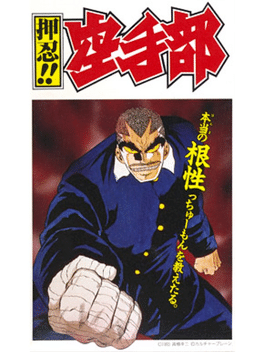
A Super Famicom fighter game based on the delinquent martial arts manga of the same name. It was developed and published by Culture Brain in 1994. The game is a standard martial arts one-on-one fighter in most respects, though features a few uncommon aspects. The first of which is that the player's health bar does not replenish after each round, and the fight continues as each bar is depleted. The second is that the player can recover from losing all their health if they have enough on their power (or qi) gauge. The game counts to three, like in professional wrestling, and the player has the chance to recover a small amount of health in exchange for their power.Appleseed: Prometheus no Shintaku
1994
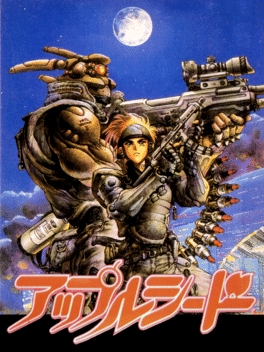
World War III is over, and nomad soldier Duenan Knute and her cyborg partner Briareos struggle to survive in the abandoned cities and demilitarized zones of the post-war wasteland, the "Badside." Matters appear on the upswing, however, when they are found and brought to Olympus, an urban utopia and centerpiece for the reconstruction of civilization. Duenan and Bri join the Olympus' police, a force that seems hardly necessary in such a paradise. But, like in most pretty pictures, perfection is an illusion, and Olympus' peaceful facade hides a dark secret, a violent struggle between human and cyborg that could once again plunge the world into war... and genocide.Matsumura Kunihiro-den: Saikyou no Rekishi wo Nurikaero!
1994
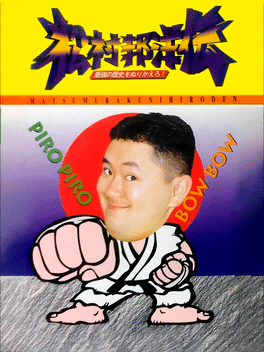
Kunihiro Matsumura, famous for his impersonations, battles as the "karateka" to face off against seven different opponents. With original style and gameplay, the game uses a parody of fighting moves along with various gag moves such as the Piro Piro and Bow Bow evasion technique.Yokozuna Monogatari
1994
Yokozuna Monogatari
1994
Yokozuna Monogatari is a Sports game, published by KSS, which was released in Japan in 1994. Yokozuna Monogatari is a sumo game for the Super Famicom. It focuses on management aspects, training sumo wrestlers and setting up bouts to improve their ranking. Earning money from sumo matches allows the player to hire stronger wrestlers, who naturally ask for more money to be recruited. The goal is to train a sumo wrestler to Yokozuna ("Grand Champion") level.Cyber Knight II
1994
Cyber Knight II
1994
This epic arcade adventure features a brave Knight on a quest to find the only thing that will release his beloved from a curse that has turned her into a dragon - the magical Grail.Pac-Man 2: The New Adventures
1994
star 6.9Pac-Man 2: The New Adventures, known in Japan as Hello! Pac-Man, is a side-scrolling adventure game "sequel" to Pac-Man. Instead of being a maze game like the majority of its predecessors, Pac-Man 2 incorporates light point-and-click adventure game elements. It was produced and published by Namco for the Super Nintendo Entertainment System (SNES) and Sega Mega Drive/Genesis systems, and was released on April 6, 1994 by Namco. The game borrows its structure and certain elements from Pac-Land, and also appears to contain certain elements from the animated series, such as Pac-Man's family and a main villain commanding the ghosts. The Genesis version was not released in Japan or Europe.The King of Fighters '94
1994
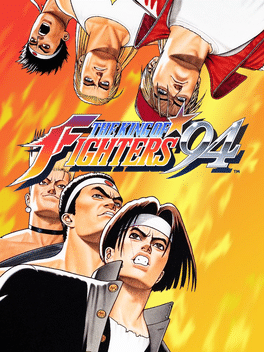
star 6.7Rugal Bernstein is an incredibly rich and notorious arms and drug trafficker, as well as an incredibly skilled and ruthless fighter. Having become bored with the lack of competition, Rugal decides to host a new King of Fighters tournament. Rugal has his secretary travel to eight destinations around the world and invite fighters to his new tournament. Unlike the previous KOF tournaments depicted in the Fatal Fury series, the new King of Fighters is a team tournament, with eight teams of three, each representing a different nationality, participating this time. Most characters come from other SNK games, such as Team Italy, which is composed of three heroes from the original Fatal Fury: Terry Bogard, Andy Bogard and Joe Higashi. The two heroes from Art of Fighting (Ryo Sakazaki and Robert Garcia) are featured along with their mentor and Ryo's father (Takuma Sakazaki) make up Team Mexico. Team Korea features Kim Kaphwan from Fatal Fury 2 as the leader of two convicts he's trying to reform Chang Koehan and Choi Bounge,