New Games - Page 11207

Final Drive: Nitro
2004
Final Drive: Nitro
2004
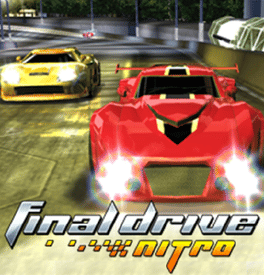
In Final Drive Nitro you'll race high-speed, ultra-performance cars through futuristic tracks. Power slides, high-flying jumps and, of course, taking 1st place earns you cash points to upgrade your ride.Neocron 2: Beyond Dome of York
2004
Neocron 2: Beyond Dome of York is a 2004 video game which is a follow-up to 2002's Neocron. Originally slated to be an expansion pack Neocron 2 was released separately under a new publisher, 10tacle Studios AG. Neocron 2 features a large persistent world and massive multiplayer gaming. Divided into two factions, Neocron and Dome of York, and separated by the vast radiated wastelands between the cities, the players try to build a career in one of the many industrial and military organizations. There are various player classes offered, including different types of fighters, PSI powered monks and hackers. The game allows free exploring of the world, NPC missions or engaging in PvP-combat, using an Egoshooter-like interface for gameplay and fighting. Noteworthy features, amongst others, are the Hacknet (a network similar to the matrix of the pen&paper-game Shadowrun) which allows skilled hackers to travel the whole game-world through a great number of network nodes or attack enemy bases and the usability of driving aTsukasa no Satisfaction
2004
One year after events of "Natsuiro ☆ Communication ♪". Main character is visited by Tsukasa suddenly while he prepares to summer with his lover Chinatsu. Tsukasa wants help with practice for the drama club. A long night of trouble begins.Operation Shadow
2004
XS Junior League Soccer
2004
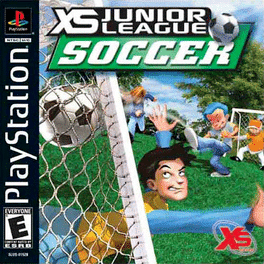
XS Jr. League Soccer is designed to provide a fun, pick-up-and-play adaptation of the world's most popular sport, with colorful graphics and accessible gameplay for the whole family to enjoy. Select Your Team: 20 individual players. Everybody can really play. Players have different skill levels. 8000 different 5-a-side combos. Schoolyard Tournaments: Put a strong team together; play an entire round robin tournament in one day. 4 Real World Fields: The School Yard, Sandpit, Car Park, Southside.Motherload
2004
Motherload
2004
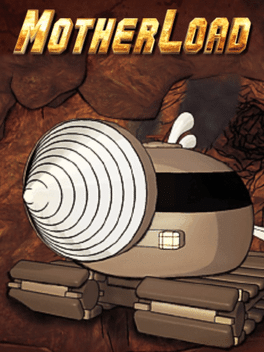
star 7.9An arcade style flash-based mining game. Navigate the dangers of Martian soil, complete with hidden gas pockets, earthquakes, and other surprises. Purchase powerful upgrades for your Mining Pod with the fruits of your labor. Compare high scores with friends to see who the champion really is. When you've finished the game, challenge more difficult gameplay modes.Ninja Gaiden Hurricane Pack II
2004
The second of two DLC packs released for Ninja Gaiden (2004) for the Xbox. This one features the same additions as the first Hurricane Pack, such as free camera control and the Intercept technique which would be cut from later releases. While the first Hurricane Pack was a variation on the main campaign with new weapons and such, this one is a multi-phase gauntlet of enemies that would serve as the basis for the Mission Mode in Ninja Gaiden Black. Just as with the first Hurricane Pack, this is no longer available to download due to the closure of Xbox Live for the original Xbox in 2010. It is now only accessible through a modded Xbox system or a console that still contains a save file.Barbie as the Princess and the Pauper
2004
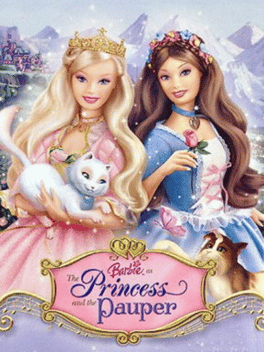
In her new adventure, Barbie takes on two roles--Erika and Princess Anneliese. Based on the classic story The Prince and the Pauper, this game follows Erika as she tries to prove that she's worthy to be crowned queen. With the help of Princess Anneliese, you must help Erika move through the game's unique environments and settings--the village, castle, and forest--so that she is fully prepared for the coronation ceremony and her role as queen. Showcase Erika's best qualities by helping villagers, solving puzzles, and completing creative tasks.Care Bears: Let's Have a Ball!
2004
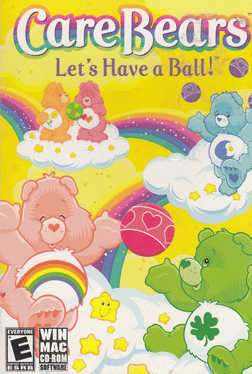
Care Bears: Let's Have a Ball! is based on characters from a popular children's television show and feature films, originally developed by American Greetings in 1981. The player is taken directly to the home screen among the clouds where he can select a Care Bear to play any of the eight arcade-style games they represent. Each game is prefaced with a description and instructions, and all the other games can also be accessed from here by clicking on the bears that line the bottom of the screen. The games have five levels that become progressively more difficult as the player reaches them. Actions are performed by moving items or Care Bears with the mouse and keyboard.Barbie: The Princess and the Pauper
2004
Barbie as the Princess and the Pauper is based on Barbie's home video take on the favorite fable. Erika are Anneliese beauties from two different worlds -- one a girl about town, the other a princess high in the land. When trouble starts in the kingdom, the two will have to solve puzzles and jump across dangers in 20 stages of adventure. Barbie as the Princess and the Pauper features two-player minigames and the ability to play as Erika, Anneliese, and even the royal cats Wolfie and Serafina!ESPN NBA 2K5
2004
ESPN NBA 2K5
2004
ESPN NBA 2K5 is the sixth installment of the NBA 2K series of realistic basketball games, updating the roster to the 2004/2005 NBA season while re-inventing the franchise mode (now known as "The Association").Rocky Legends
2004
Rocky Legends
2004
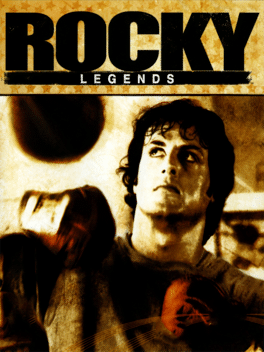
star 6.4Be Rocky, Apollo Creed, Clubber Lang, or Ivan Drago in this fighting game prequel to the movie series. Using classic Rocky characters, locations, and music, Rocky: Legends puts the player in the boxing, ring recreating or rewriting the careers of the boxing franchise's heroes and villains. Play the career mode or jump into a 1-2 player slugfest. As you progress through the career mode, you must train to improve your skills just like a professional would, and use your fight purse to unlock more playable characters, arenas, movie trailers and more. Combinations of punches can be executed powerfully.The Dukes of Hazzard: Return of the General Lee
2004
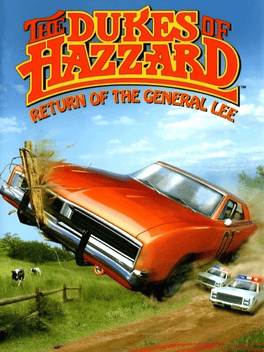
star 4.7The Dukes of Hazzard: Return of the General Lee is a mission based racing (or driving) game released on the PlayStation 2 and Xbox consoles. The game is based on the popular Dukes of Hazzard television show. It is the fourth game based on this show, and the only one to be made on a sixth generation console. Two Dukes games were released for the PlayStation and one was created for the Atari 2600 but was never officially released.NBA Live 2005
2004
NBA Live 2005
2004
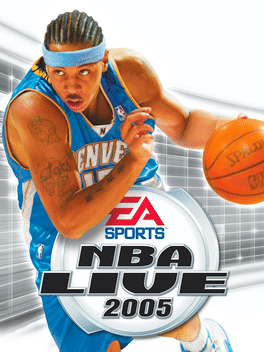
star 6.5NBA Live 2005 is the 2004 installment of the NBA Live video games series. The cover features Carmelo Anthony as a member of the Denver Nuggets. The game was developed by EA Sports and released in 2004 for PlayStation 2, Xbox, Nintendo GameCube, and Windows.Evil Genius
2004
Evil Genius
2004
star 7.8Evil Genius focuses on building an island lair and the management of minions that are employed by the Evil Genius, allowing the player to progress through the main storyline with achieving world domination as the end goal of the game. Although not explicitly stated the use of historic regions the Eastern Block and events such as the Cuban Missile Crisis within the game suggest that it is set in the 1960s and 70s and that the game is progressing through an alternate timeline.Crash Twinsanity
2004
Crash Twinsanity
2004
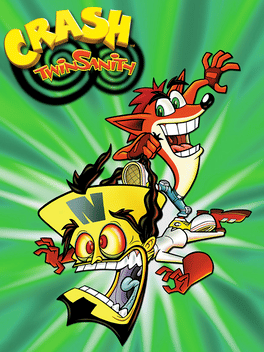
star 6.5Crash Twinsanity is the fifth mainline series game of the Crash Bandicoot series where Crash and the villain Cortex are forced into partnership. Each character occupies the same screen but they run along on different planes. Crash's gameplay is mostly the same as before, he can still do his trademark spin attack, double jump and body slam moves. The originality comes in his duo with Dr. Cortex, as he can throw him to places he can't reach himself or use him as a hammer to slap enemies. The consistent conflict between both heroes causes many funny situations.Deer Hunter 2005
2004
Deer Hunter 2005
2004
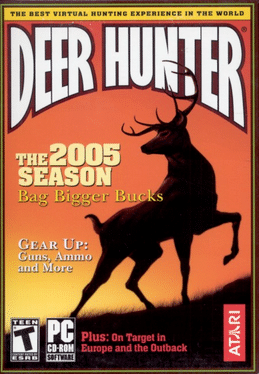
star 7.5Deer Hunter is a series of hunting simulation video games. Originally available for Windows platform published by WizardWorks Software, it was also published on Mac, and later on Game Boy Color, PlayStation 2, and mobile phones. The first game in the series was developed for only USD$125,000, yet sold over a million copies and topped the PC game charts.[1] It was an early success in the casual game market.[2] The original game was released in November, 1997. In 2003 Southlogic Studios was commissioned by WizardWorks Software to develop Trophy Hunter 2003 and because of Trophy Hunter's success, they took over the development of the Deer Hunter franchise, with Deer Hunter 2004 and Deer Hunter 2005, distributed by Atari. Glu Mobile acquired the entire franchise in April 2012.[3] The original Deer Hunter and its sequel Deer Hunter II have also been released for Macintosh computers. Gameplay usually takes place in a thick forest or meadow during different seasons of the year. Animals and objects other than deer can beConstance the Barbarian
2004
Constance the Barbarian - A humourous take on Conan the Barbarian/Xena Warrior Princess, with a dash of Monkey Island. Originally made for September 04 MAGS, and as a learning project. But decided to make it as a demo/teaser for a larger more involved game. I won't hazard a release date at this point. I'm mostly improving my artwork skills.Donkey Konga
2004
Donkey Konga
2004
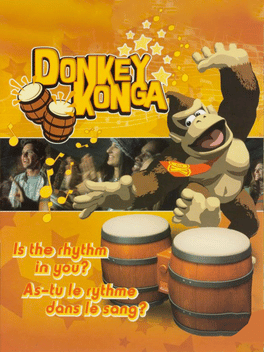
The North American port of Donkey Konga, which has a track listing different from the original Japanese version.