New Games - Page 11194

Roll Away
1998
Roll Away
1998
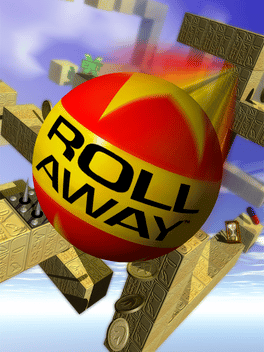
star 8.4Roll Away is a 3D platform puzzle video game which places the player in control of a Kula beachball. The main objective of the game is to collect keys which unlock the level exits, as well as coins and jewels along the way. The game makes use of alternative physics, changing the direction of gravity as the ball moves.Star Soldier: Vanishing Earth
1998
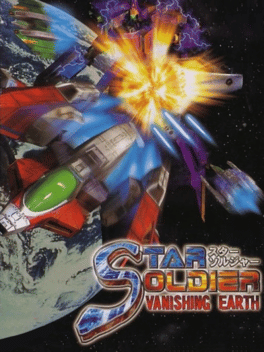
star 6.2In the year 2098 mankind had been critically attacked by a military force from Zeograd, a hostile planet in a far off galaxy. Commander Parker Deehan of Special Interception Airforce (SIA) decided to deploy and pilot the F98 Star Soldier fighter craft into the front line of battle against Zeograd. Losing the battle meant the extinction of mankind and the total annihilation of Earth!Felix the Cat
1998
Felix the Cat
1998
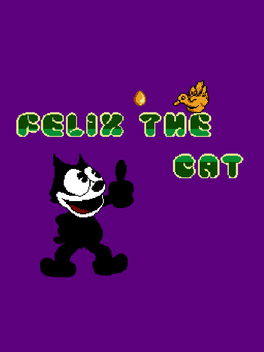
Felix the Cat is an unlicensed platform game developed and published by Dragon Co. in 1998. It is unrelated to Hudson Soft's official Felix the Cat title, released in 1992, but the gameplay of the two games is very similar.Arkana Senki Ludo
1998
Arkana Senki Ludo
1998
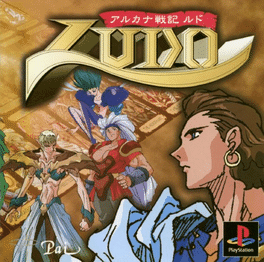
Arkana Senki Ludo is a 2d board game with rpg elements in which the player compete againts another human player (up to 4 players at the same time) or a computer opponent to reach the goal of each level first. They can use cards to advance or fight against the opponents.Code R
1998
Poy Poy 2
1998
Poy Poy 2
1998
Poy Poy 2, the sequel to Poy Poy, is a multiplayer party/action-game in which four players battle it out by throwing rocks, bombs, logs, etc. at each other on varying battle arenas. The time limit for each round is 90 seconds and at the end players are awarded points based on their remaining health, how many times they were able to hit others with objects and how many "lucky hearts" they were able to collect from the arena. Players can also choose from a number of psycho-gloves, that give them various special-abilities when used.The Land Before Time: Math Adventure
1998
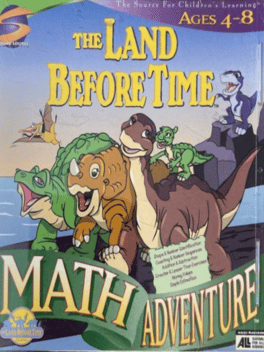
The Land Before Time: Math Adventure is an educational game for Windows-based PCs intended for children ages 4-8. It was released by Sound Source Interactive in North America in 1998. It contains a series of math-oriented minigames that, like The Land Before Time Activity Center, reward the player with "tree stars" and "dino bucks" that can be used to unlock video clips (once again). The game was mentioned in the book Gadgets, Games and Gizmos for Learning by Karl M. Kapp as an example of electronic learning that can allow up-and-coming students to develop problem-solving skills.Madou Run
1998
Madou Run
1998
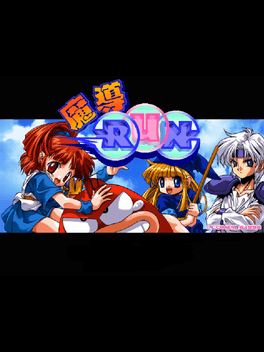
Released in Disc Station Vol 19, Madou Run is similar to the game of tag; players that obtain a bowl of curry have the ability to attack other players.Heart of Darkness
1998
Heart of Darkness
1998
star 6.4Heart of Darkness places players in the role of a child named Andy as he attempts to rescue his dog who has been kidnapped by creatures known as The Dark Souls. The game has about half an hour of storytelling cinematic sequences, thousands of 2D animated frames, and uses pre-rendered background scenery. The game was supervised by game developer Éric Chahi, known for Another World, this time with a team of artists and developers. The game also features an original score by film and television composer Bruce Broughton. A Game Boy Advance port was announced in 2001 but it was never released.Twin Dragon
1998
Breakers Revenge
1998
Breakers Revenge
1998
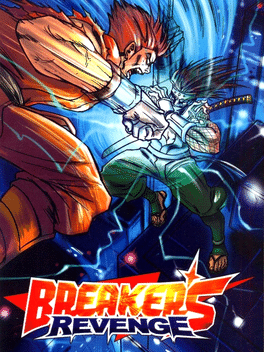
star 6.8Breakers Revenge is an upgraded version of Breakers that was released exclusively for the arcades. It introduces one new character named Saizo and makes the final boss Bai-Hu into a playable character. Revenge makes adjustment to the character balance by weakening the previously overpowered Condor and removing Sho's infinite combo from the first game. However, the opening intro is almost identical to that of the first game and game's graphics are not that different; however, the lifebars were modified to look different compared to the first game's lifebars, while some stages' graphics were removed (e.g. flags in Sho Kamui's stage).Sega Ages Vol. 12: Galaxy Force II
1998
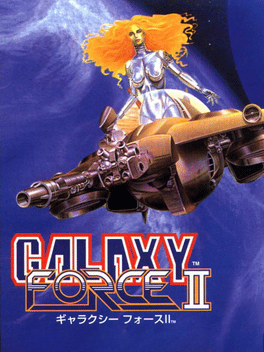
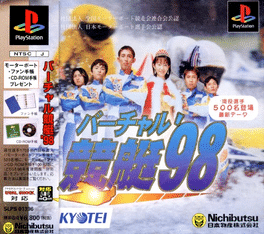
Sega Ages Galaxy Force II is a port of Galaxy Force II for the Sega Saturn. It adds difficulty settings and an in-game story screen.Virtual Kyoutei '98
1998
Daiobake Yashiki: Hamamura Jun no Jitsuwa Kaidan
1998
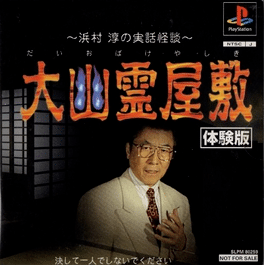
Daiobake Yashiki: Hamamura Jun no Jitsuwa Kaidan is a visual novel game released on Playstation in 1998. The story proceeds as a visual novel, in which the main character is told ghost stories or reads some books. In the main character's action part, you have two choices in conversation with other characters, and the ghost story you hear changes depending on which one you choose. The character's likability depends on the choice. If the character's likability is low, the story is forced to end halfway through. The ghost stories are told in full voice and read in the text; there are no options in the middle of either. Once you've heard a ghost story, you can play it back in the "Jitsuwa Kaidan-shuu" mode. The graphics are live-action and CG.Twilight Syndrome Special
1998
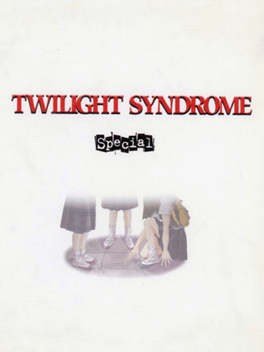
A compilation of the first two Twilight Syndrome games for the PlayStation.Let's Go Read: An Ocean Adventure
1998
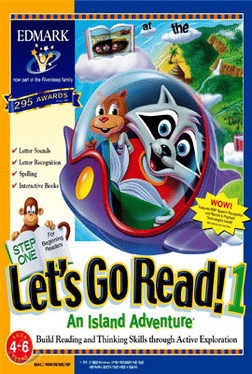
Robby Raccoon and Emily Squirrel are on a mission to find the missing book mobile under the ocean. Along the way they find lots of things to do. At Pier City there is a stingray that paints long and short vowels. Kids hear the sounds vowels make and then hear words and sentences that use the sounds. Young readers then use what they learned to deliver mail. The postcards and packages have vowel sounds and words. At the Powerstation kids put letters together to sound-out words. This is a great phonics activity. Kids hear all the letters sounded out as they form words. Children also blend bubbles to make words with consonant blends, find words with a target blend or digraph sound and find books under the sea. Once children find storybooks they can hear them read aloud or record themselves reading the story and play it back. Kids will love playing these activities and parents will agree for learning phonics the Let's Go Read series is remarkable.Devyat' princev Ambera
1998
Devyat' princev Ambera is an adventure game based on Nine Princes in Amber (1970), the first novel from the Chronicles of Amber series by Roger Zelazny. It follows the adventures of Carl Corey, who wakes up in a hospital with amnesia, escapes and starts searching for answers. After a while he discovers his true identity, his mission and a fantasy world hidden from the eyes of mere mortals. A lot of work has to be done. The gameplay is linear and consists of several loosely connected elements: a simple point-n-click adventure, a number of quick-time events and 9 stand-alone puzzles. The story is told through dialogs that follow the text of the novel closely. The game comes with 2D hand-drawn characters and pre-rendered backgrounds.Billiard Academy Real Break
1998
A pool game where you are awarded Pictures of some Asian babes when you win the round.Kuroi Hitomi no Noir: Cielgris Fantasm
1998
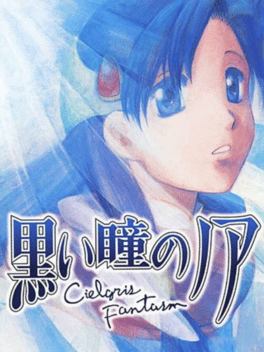
Kuroi Hitomi no Noah: Cielgris Fantasm plays mostly like traditional Japanese-style RPGs such as Breath of Fire: the protagonist travels on the map and interacts with various people, and in her travels, also encounters monsters that she must fight. The encounters are typical turn-based battles in which the player assigns actions to be performed by the party members. However, Noah has the ability to befriend monsters and can recruit them when they have been weakened. They can then be summoned in battle to fight alongside the party members. At the end of battle, the participating members and monsters gain experience points to increase their level.