New Games - Page 11122

NCAA Final Four 99
1999
NCAA Final Four 99
1999
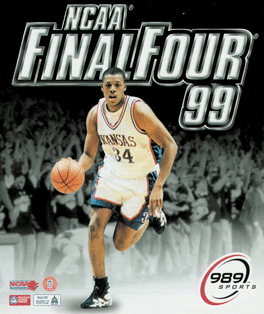
star 6.3NCAA FINAL FOUR '99 offers three gameplay modes: Exhibition, Tournament, and a 30-game Season. The rules can be configured to your preferences, whether it's arcade or simulation. This affects which fouls get called and determines whether or not your players feel the effects of fatigue. You can also choose from a variety of controller configurations, difficulty settings, game lengths, and camera angles to alter the game. And of course, everything is rendered in 3D, which creates the feeling that you're right in the middle of the action. There are 250 Division I teams available, making it easy to find your favorite squad on the roster. The sound, which includes play-by-play commentary, ball thumps, and sneaker squeaks, works well to get you pumped up and involved in the game. You can also play with up to eight friends (with a multitap) in the multiplayer game.Power Stone
1999
Power Stone
1999
star 7.3Power Stone is a fully 3D arena fighting game series made by Capcom. Power Stone was initially released on the Sega NAOMI hardware and later ported to the Dreamcast. In Japan Power Stone was adapted also into a manga, as well as a 26 episodes anime series.Kaseki Sousei Reborn II: Monster Digger
1999
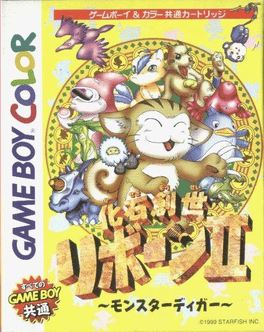
On that day, I set foot on "Hokora", which has long been said not to be entered. According to a strange doctor who lives in the town, a mysterious underground world inhabited by unknown creatures spreads out beyond the hole of "Hokora", and fossils with life are buried in it ...・. Apparently, the guy next door, who is always fighting, went looking for a legendary monster. "Let's lose! I'm going on an adventure with courage!" At that time, the doctor's words came to my mind. "Without the power of friendship, you can't know the world ..." The fossil excavation game is back! Collect the fossil fragments buried in the dungeon and revive the monsters on the Lab's Reborn Machine. Various monsters can be created depending on the attributes and combinations of fossils. Some monsters evolve when the parameters of a specific character exceed a certain value. Strategicity has increased due to the advantages and disadvantages of the character's orientation, the compatibility between attributes, and the character's "friendshiHalf-Life: Uplink
1999
Half-Life: Uplink
1999
star 7.8Half-Life: Uplink is a demo version of Valve's 1998 first-person shooter computer game Half-Life. Uplink features many of the common enemies, characters, and weapons from the full game, but unlike the first Half-Life demo and the Half-Life 2 demo, the location and scenario in this demonstration do not appear in Half-Life. The Uplink chapters were cut during Half-Life's development phase and roughly fit in prior to or during the Lambda Core chapter; they were, however, strongly revised for the demo release. Uplink also includes the same Hazard Course from the full release of Half-Life. It was also included on "Official PlayStation Magazine Disc 57" as a bonus unlock if you entered a cheat into the PS2 version of Half-Life and swapped the discs.Digging Jim
1999
Crazy Taxi
1999
Crazy Taxi
1999
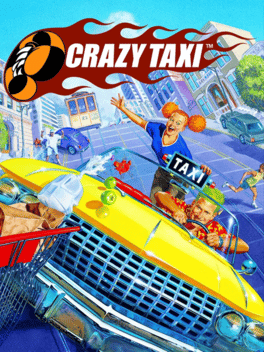
Arcade PlayStation 3 Nintendo GameCube Android PC (Microsoft Windows) iOS Xbox 360 Dreamcast PlayStation 2star 6.6Hey hey, come on over and have some fun with Crrrrrazy Taxi! Barrel through traffic packed streets, hurdle off parking garages, and Crazy Combo your way to Crazy Money in a wild frantic race to scare up the most fares. In Crazy Taxi, time is money, and only the Craziest Cabbies come out victorious.Kyoro-chan no Purikura Daisakusen
1999
Kyoro-chan no Purikura Daisakusen is an Action game in which the player controls the parrot in different levels. During those levels he will face different animal enemies: Like monkeys and other bizarre creatures. The player got different attack movement and even some special attacks when he finds different kind of balloons.Tokimeki Memorial Pocket Sports Version: Koutei no Photograph
1999
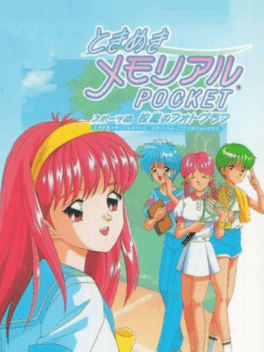
In 1999 Tokimeki Memorial was ported again to the Game Boy Color in two versions, Tokimeki Memorial Sports Version: Kotei no Photograph and Tokimeki Memorial Culture Version: Komorebi no Melody, dividing 10 of the characters between the two games and adding three new winnable characters, Patricia McGrath, Naomi Munakata, and Kyoko Izumi. The Game Boy Color versions also featured a Beatmania mini-game, compatibility with the Super Game Boy, a screen saver mode, and a two-player versus minigame. The game received a sequel the same year.Tokimeki Memorial Pocket Culture Version: Komorebi no Melody
1999
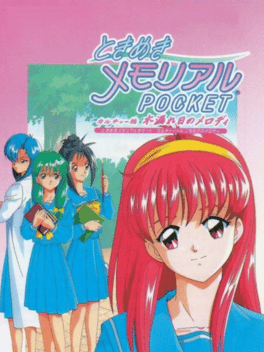
In 1999 Tokimeki Memorial was ported again to the Game Boy Color in two versions, Tokimeki Memorial Sports Version: Kotei no Photograph and Tokimeki Memorial Culture Version: Komorebi no Melody, dividing 10 of the characters between the two games and adding three new winnable characters, Patricia McGrath, Naomi Munakata, and Kyoko Izumi. The Game Boy Color versions also featured a Beatmania mini-game, compatibility with the Super Game Boy, a screen saver mode, and a two-player versus minigame. The game received a sequel the same year.Chocobo World
1999
Chocobo World
1999
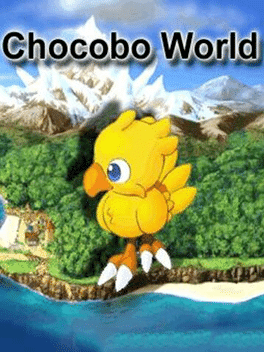
Chocobo World is a PocketStation game compatible with Final Fantasy VIII. The player controls Boko the Chicobo, who embarks on a quest to find MiniMog, and is assisted by Moomba and Cactuar. As PocketStations were never released outside of Japan, international PlayStation owners could not play this game, but its connection to the main game was still programmed into every localization of Final Fantasy VIII, so it is possible to play the game by buying a PocketStation from Japan.Final Fantasy VIII
1999
Final Fantasy VIII
1999
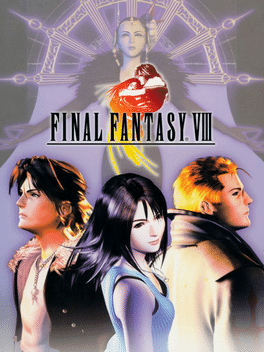
star 8.6Final Fantasy VIII is the eighth main installment in the Final Fantasy series. The gameplay makes a departure from many series standards. While it still uses the Active Time Battle system, it deviates from the series' traditional means of boosting a character's power via leveling, although levels are not completely abandoned as they were in Final Fantasy II. In addition, it does not have a Magic Point-based system for spell-casting. Instead, magic is collected, drawn, and created from items, and is used to power up the characters via the junction system.JumpStart Math for Kindergarteners
1999
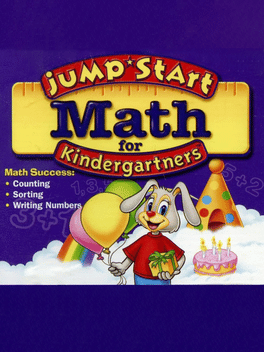
JumpStart Math for Kindergartners is a game released in 1999 that teaches kindergarten math skills. Hopsalot helps the residents of CloudTown prepare a surprise birthday party for the giant Guthry.JumpStart Reading for Second Graders
1999
JumpStart Reading for Second Graders is a game released in 1999 that focuses on a second grade reading curriculum. In the game, CJ and Edison are on a quest to find the lost city of Ursulab. They find an ancient tablet that holds the secrets of Ursulab, but it needs to be powered by rubies and diamonds. CJ and Edison travel to different locations around the world to find the jewels they need. They must also confront the villainous Dr. Listick, who wants to find the lost city for his own selfish gain.Sid Meier's Alpha Centauri
1999
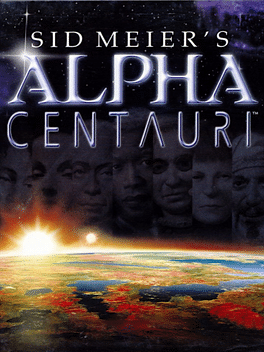
star 9.1Legendary designer Sid Meier presents the next evolution in strategy games, with the most addictive, compelling gameplay yet. Explore the alien planet that is your new home and uncover its myriad mysteries. Discover over 75 extraordinary technologies. Build over 60 base upgrades and large scales secret projects for your empire. Conquer your enemies with a war machine that you design from over 32,000 possible unit types.Harvest Moon 64
1999
Harvest Moon 64
1999
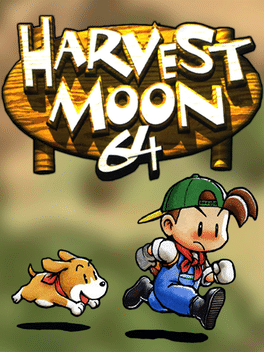
star 8.9Retire to the country for a new challenge in Harvest Moon 64. Hard work is rewarded as you struggle to bring prosperity back to a neglected farm. Work the land, pick up odd-jobs, and get to know the neighbors. Harvest Moon 64 has all the charm of the original Super Nintendo classic, plus many new surprises. * Tons of new seasonal vegetables and fruits. * Raise cows, chickens, and sheep. * New items and gifts. Including tools that increase in power as you master them. * One of town's five eligible women may prove to be the love of your life. * Celebrate seasonal festivals with the nearby townsfolk. * Enjoy local horse and dog racing.Kuubo Senki
1999
Majokko Daisakusen: Little Witching Mischiefs
1999
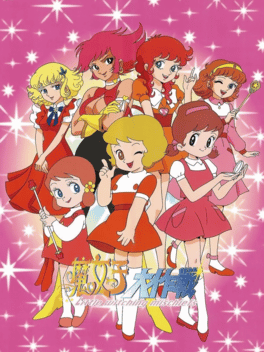
Majokko Daisakusen is a turn-based strategy game with action-style battles featuring characters from several famous magical girl anime series from the '60s, '70s, and '80s: Mahō Tsukai Sally, Himitsu no Akko-chan, Mahō Tsukai Chappy, Cutey Honey, Majokko Megu-chan, Hana no Ko Lunlun, and Mahō Shōjo Lalabel. It is in fact a reworked version of The Unholy War with all of the graphics, sound, and story completely replaced. The game itself, however, is essentially identical between the two releases.Pocket MuuMuu
1999
Pocket MuuMuu
1999
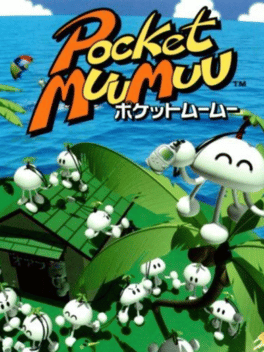
A Playstation title that you played Pocketstation games in order to make money so you could buy more Pocketstation games as well as other little items.