New Games - Page 11051

Bakusou Dekotora Densetsu 2: Otoko Jinsei Yume Ichiro
1999
Released alongside "Art Camion: Geijutsuden" on the same day, "Bakusou Dokotora Densetsu 2 - Otoko Jinsei Yume Ichiro" is generally seen as the proper 2nd installment of the series. This sequel introduces numerous changes to modes and gameplay, accompanied by an entirely new soundtrack and enhanced graphics quality.Street Fighter III: Double Impact
1999
star 7Street Fighter III: Double Impact is a compilation containing the original Street Fighter III and 2nd Impact. It features an Arcade, Versus, Training and Option Mode for both games and a Parry Attack Mode in 2nd Impact where the player gets to test his parrying skills in the game's bonus round. This compilation also allows players to use Gill and Shin Akuma (in 2nd Impact only) who were exclusively computer-controlled characters in the arcade version.Sore Ike!! Hanafuda Dojo
1999
Sore Ike!! Hanafuda Dojo is a Miscellaneous game, published by Daina, which was released in Japan in 1999Chou-Denki Card Battle: Youfu Makai - Kikuchi Shuugyou
1999
Chou-Denki Card Battle: Youfu Makai - Kikuchi Shuugyou is a Miscellaneous game, published by Chou-Denki Card Battle: Youfu Makai - Kikuchi Shuugyou is a Miscellaneous game, published by Koubunsha, which was released in Japan in 1999.Sword of the Berserk: Guts' Rage
1999
star 7.6An outcast warrior enters a land plagued by an evil curse. Guts is unlike ordinary men for he carries the Dragon Slayer, a mighty blade of retribution whose fury knows no equal. His enemies will know true fear once they encounter his Berserk rage!Parasite Eve II
1999
Parasite Eve II
1999
star 7.9Parasite Eve II is an action role-playing survival horror video game released exclusively for the PlayStation. The game was developed by Square and published in Japan in 1999 and in both North America and, unlike the previous game, in PAL regions in 2000. It is the sequel to Parasite Eve and the second game in the series of the same name. Parasite Eve II is set several years after the events in the original game. The protagonist from the first game, Aya Brea, also features in this game as the playable character. She becomes involved with another outbreak of Mitochondrial creatures. Gameplay diverges from the previous game: battles take place in real time and the area of action is less restrictive. The approach is more typical of traditional survival horror games, although some role-playing elements are retained.Space Channel 5
1999
Space Channel 5
1999
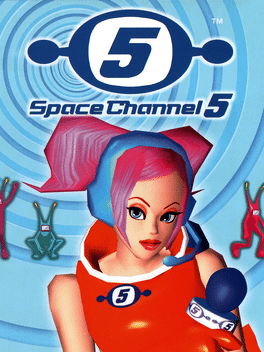
star 7It's the 25th century and our intergalactic space reporter dives into an adventure where she must battle with a series of dastardly villains! Are you ready to save the universe through the medium of dance? You must first battle wicked space nasties, the Morolians, who have attacked and subdued innocent Earthlings with their dance-inflicting ray guns. In order to break the Morolian's hypnotic grasp, Ulala must mimic the aliens' exact dance moves by keeping the beat with pauses timed to perfection. But the adventure isn't over just yet; Ulala must also face another group of intergalactic terrorists who have designs on world domination.Puyo Puyo Da!
1999
Puyo Puyo Da!
1999
Puyo Puyo DA! is a Dance Dance Revolution based game for the Dreamcast with Puyo Puyo characters. This game is based off a Disc Station game previously featuring Ellena Stevens. In contrast to most Puyo Puyo games, a large majority of the text in this game is in English. It was Compile's last Puyo Puyo game to be released on a Sega system. (The last Compile game in the series, Puyo Puyo Box, released a year later.)Koudelka
1999
Koudelka
1999
star 7Koudelka is the precursor (prequel) to Sacnoth's Shadow Hearts series. Shadow Hearts takes place in the Koudelka universe and features various locales and characters from Sacnoth's debut work.BassMasters 2000
1999
BassMasters 2000
1999
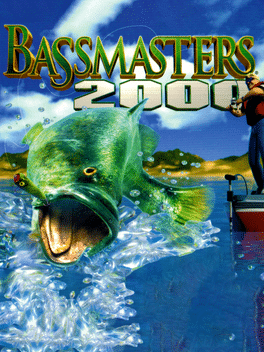
BassMasters 2000 is a fishing simulation game which counts a total of 4 modes and has a variety of customizable options. You can create and save up to 7 anglers through the “Create Angler” option, customising characteristics such as sex, hair, face, clothes, etc. Other customisable options include “Lake Conditions” (lake location, season, weather, time, etc.), “Boat” (boat model, engine, etc.) and “Tackle” (rod/reel, line, lure, etc.).Harvest Moon: Back to Nature
1999
star 8.5Natsume's farm simulation series makes its debut on the PlayStation with Harvest Moon: Back to Nature. It is the first Harvest Moon game for a non-Nintendo console. Starting out with a few rudimentary implements and very little money, you begin the arduous task of reviving your grandfather's farm and thereby claiming your place as its rightful heir. Players are given three years to achieve this goal. A year consists of four seasons, each of which lasts 30 days. Different crops can be planted each season, but before the seeds can be planted, the land must be cleared and then the soil tilled. Seeds must also be watered until the fruit or vegetable matures. Once the crops are ready for harvest, they can be placed in a shipping bin where they'll be collected and paid for. In addition to farming, players will interact with local villagers and partake in seasonal events such as the Tomato Festival and Fireworks Display. As more money is earned, players can expand their farm and begin to raise livestock such as chickensDance Dance Revolution Solo 2000
1999
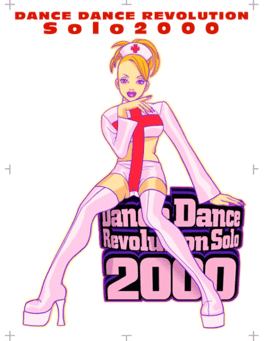
Dance Dance Revolution Solo 2000 is the second special one-player version of the Dance Dance Revolution series of music video games. It was released as an arcade game by Konami on December 15, 1999. Although only officially released in Japan, units exist worldwide. DDR Solo 2000 features 36 songs, 20 of which are new to Dance Dance Revolution.Vigilante 8
1999
Asteroids Hyper 64
1999
Asteroids Hyper 64
1999
star 7.6Asteroids Hyper 64 is an updated version of the classic arcade blast 'em up and features full 3D environments, all new weapons and defense systems and a 2 player split-screen mode. The gameplay, however, is exactly the same. Pilot a spacecraft and destroy the on-coming asteroids, each of different sizes. Alien ships and black holes are also out there, along with ship upgrades that update your ships weapons and defense systems.The Smurfs
1999
The Smurfs
1999
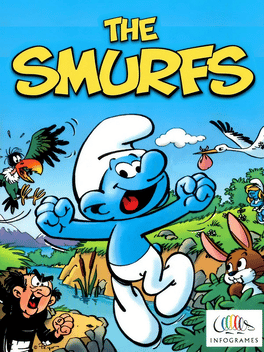
star 5.8This game is targeted to young players. This is a 3D lateral view platformer where the player controls one of those little blue people through 20 levels in order to save his friends captured by the evil Gargamel. Levels features forest, icy plains, volcano undergrounds, Gargamel's castle, the Smurf's village, and so on. The adventure itself is split in two parts, one being a simple tutorial while the second parts represents the game itself.Renegade Racers
1999
Renegade Racers
1999
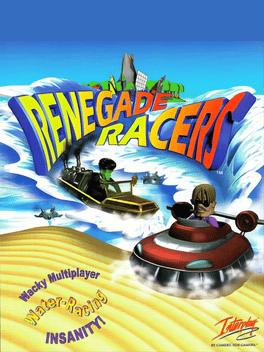
Renegade Racers, a watercraft racing game, has three game modes including arcade, quick race and high score. The modes are further broken down into eight race modes of varying types. In Battle Race, you blast opponents during the race while Check Point Challenge requires reaching checkpoints within pre-set parameters. Other self-explanatory races include Smash & Grab, Treasure Hunt, Head-to-Head and Dodgems. Rounding out the modes are the precision events Air Time and Drop Zone. The game features three difficulty choices, each with a different number of levels. At the easy setting there are 32 levels while the medium and hard settings have 40 and 48 levels respectively. In arcade mode, you must face increasingly difficult challenges as you complete the levels by meeting pre-determined times, tasks and finish-position parameters. As you complete various levels, a head-to-head challenge mode allows you to race against level bosses, unlocking the race for use in other play modes.Fighting Force 2
1999
Fighting Force 2
1999
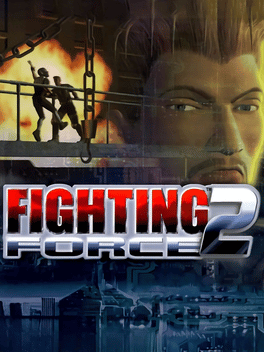
star 4.1Fighting Force 2 is the sequel to 1997's original Fighting Force, which was one of the first 3D takes on the 2D Beat 'em up genre. The game was released for the PlayStation and Dreamcast and was developed by Core Design and published by Eidos Interactive. It was released in North America on 30 November 1999.Strider 2
1999
Strider 2
1999
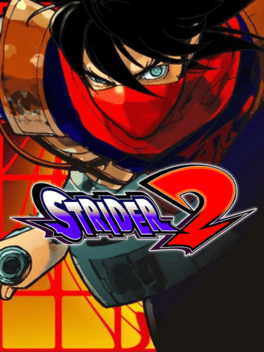
star 7.6Strider 2, released in arcades and on the Sony Playstation in 2000, is the sequel to the popular arcade and multiplatform game Strider. This game is considered the true sequel to the original Strider, rather than Strider Returns. Strider Returns is not considered a part of the series, as it was not developed by Capcom, it was exclusive to the west, and most people hated it. Strider 2, on the other hand, was very well received. Unfortunately, despite being hailed by critics and series fans, Strider 2 did not sell well. The Playstation version of the game included the original Strider on a separate disc, for those who had never played it to become accomodated with the series. In the United States, there was a printing error for the game that swapped the labelling of each CD, so the Strider 2 disc was labelled Strider, and the Strider disc was labelled Strider 2.Sid Meier's Antietam!
1999
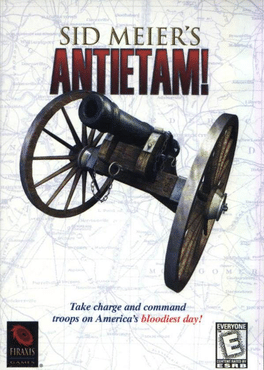
star 7Sid Meier's Antietam!, the sequel to 1997's Sid Meier's Gettysburg!, is a real-time tactical wargame that allows players to reenact the costly Battle of Antietam.Planescape: Torment
1999
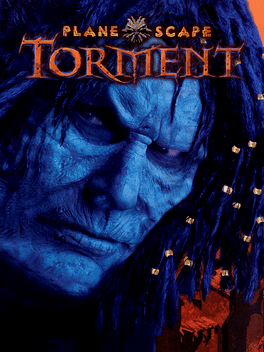
Planescape: Torment
1999
star 7.9A CRPG set in the Dungeons & Dragons setting of Planescape in which The Nameless One, an immortal amnesiac, sets off on a quest across the infinite Planes and gathers a party of conflicted companions to find out who he is and reclaim his mortality. Throughout it, he faces the consequences of the horrors he committed in his past lives and tries to find the root of all the torment plaguing his companions and the Planes.