New Playstation Games - Page 89

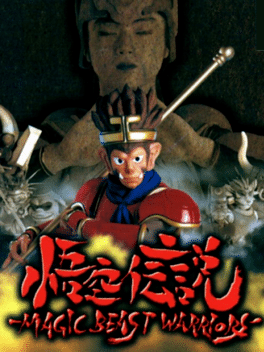
Gokuu Densetsu: Magic Beast Warriors
1996
A rare find but an absolute treat for the 2D fight fan: manna from heaven for the Monkey fight fan. Featuring some excellent, cheesy FMV complete with suspicious special effects and costumes introducing the nine characters and also awarded for victory in the versus mode. In story mode you start off playing as Son Goku (Monkey) with additional defeated characters available for selection on your quest to rescue the priestess and prod around the evil multi limbed demon kidnapper. Gameplay is made more enjoyable down to the simple specials which are more suited to the Playstation controller. And aurally its very enjoyable with some appropriate rock riffs and over the top special effects. Japanese title: 'Goku Densetsu.'Galaxian3
1996
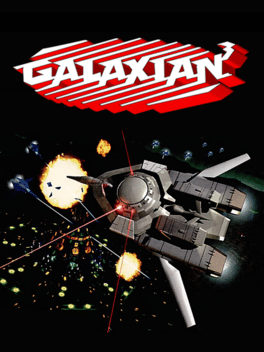
Galaxian3
1996
A home version of the arcade game of the same name, Galaxian 3 allows up to four players to blast away at oncoming enemy fighters from a first-person perspective. In a similar vein to Atari's 1983 Star Wars arcade game, the computer is actually flying the ship, and the players are simply gunners given plenty to shoot at. In addition to bringing home the coin-op's "Project Dragoon" scenario, another entire mission, "The Rising Of Gourb," is also included. This mission allows players to follow up their recent rescue of the Earth with a desperate mission to save another world from the alien menace. Galaxian3 has little or no connection to Namco's Galaxian coin-op classic, and the PlayStation edition is only available as a Japanese import, despite the fact that it did make it to some U.S. arcades. Inspired by the "walk-in" theatrical-style arcade game, Galaxian3 is a blast-fest for up to four players. While the computer does the flying in this first-person shooter, the players are trigger-happy gunners with plenty ofPandora Project: The Logic Master
1996
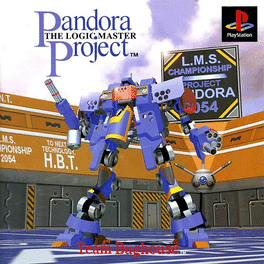
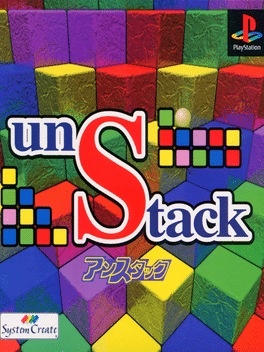
Pandora Project: The Logic Master is a Strategy game, developed by NK System and published by Team Bughouse, which was released in Japan in 1996.Unstack
1996
The Final Round
1996
The Final Round
1996
Grab your clubs and hit the 3D rendered links for stroke play, match play, or a skins game. The fluid motion-captured animation lends a realistic feel to your swing. In fact, we've given you everything a golf game needs, except the tacky clothes.Tokyo Highway Battle
1996
Tokyo Highway Battle
1996
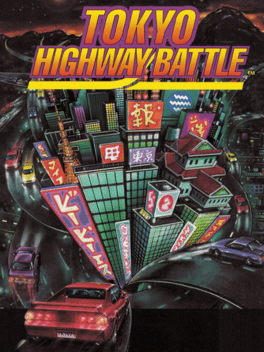
star 7Players navigate through three Tokyo highway circuits driving one of 72 high-performance sports cars. While driving, players earn valuable points which are used to purchase upgrade parts for their vehicle. To ensure the most realistic gameplay, developers Bullet-Proof Software, enlisted the guidance of racing champion, Keiichi Tsuchiya and automotive specialist, Masaaki Bando Under their supervision, Bullet-Proof painstakingly recreated the physics and handling of each race car. The Saturn release, only released in Japan, included many more videos and starred the Drift King himself through these cutscenes.Pachi Pachi Saga
1996
Pachi Pachi Saga
1996
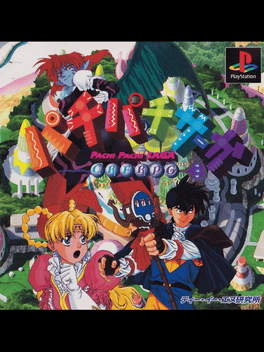
Pachi Pachi Saga is a role-playing game released by TEN Kenkyuujo on Playstation in 1996. This game includes Japanese pachinko elements. Your ability to attack in battle is determined by the design of the drums. Also, if you collect pachinko balls, you can exchange them for items.Tokimeki Memorial Private Collection
1996
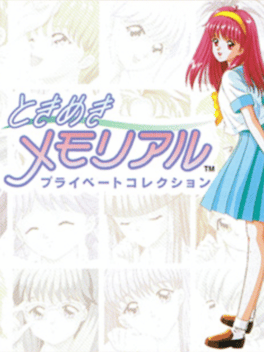
Tokimemo Private Collection is a quiz game released in 1996. Alongside the quiz section in which you are asked questions by one of the students, it features a gallery including animated pictures of the series' stars complete with blushing cheeks and speech, a media section where you can watch the PC Engine intro plus an audio section where you can hear the Tokimeki tunes to practice for karaoke.NBA ShootOut
1996
NBA ShootOut
1996
NBA ShootOut was released in 1996 and was Sony's first basketball game on their 32-bit PlayStation. It featured a season mode, motion captured player animations and up to 8 player support.Potestas
1996
Potestas
1996
Potestas is a political simulation game that takes place in a fantasy land. The player can check every part of the land to know what the people of each part of the land needs and try to solve their problems, after checking in each turn he got to take different decisions and depending of their choices all of them got to be taken to the parlament where there will be a voting, if the action is elected it will be done.Ring of Sias
1996
Ring of Sias
1996
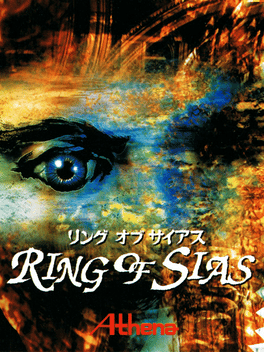
Ring of Sias is a sound novel adventure that features different endings depending of the player choices during the game.The Rising of Gourb
1996
The Rising of Gourb
1996
Second sequel to Galaxian3. Released as a bonus game in the PlayStation conversion of Galaxian3.Viewpoint
1996
Unread
1996
Daisenryaku: Players's Spirit
1996
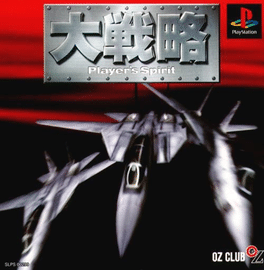
Daisenryaku is a long-running series of strategy games by SystemSoft and SystemSoft Alpha in Japan. SystemSoft Alpha performs development for all console Daisenryaku games while the parent SystemSoft writes Windows and Macintosh editions.Mobile Suit Gundam Version 2.0
1996
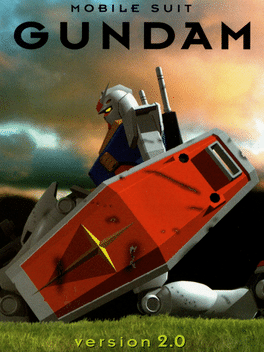
Mobile Suit Gundam 2.0 is an upgraded do-over of the previous PlayStation game based on the original anime's storyline, Mobile Suit Gundam. This version retains the same storyline, first-person cockpit perspective, and control scheme, but has upgraded the experience across the board. 3D objects now appear in stages, which are newly designed.TIZ: Tokyo Insect Zoo
1996
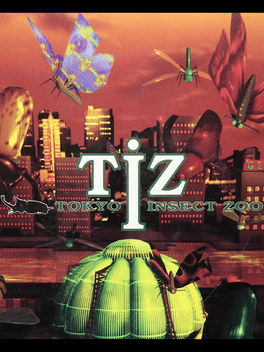
TIZ: Tokyo Insect Zoo is a 3D adventure and 2D anime event game developed by General Entertainment Co., Ltd. in Japan.NuPa
1996
NuPa
1996
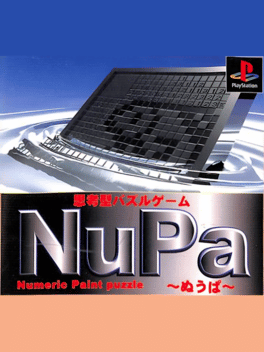
Just like Picross, use the numbers as hints to complete the picture. Expresses a unique world-view through exquisite performances featuring movies of futuristic images and game narration by voice actors.