New Pc Microsoft Windows Games - Page 4950

Montas
2014
Montas
2014
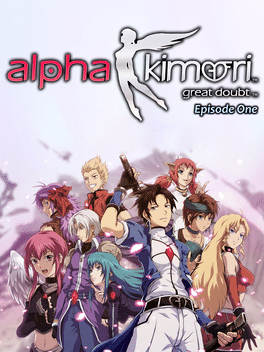
star 5You wake up at the desk of Joseph Walker, an accountant working for a firm in the city of Montas. Normal life for Joseph has become a distant memory, haunted by nightmares of events that didn't happen, and cursed with unsettling hallucinations wherever he goes. As a result of stress and anxiety, Joseph is now an alcoholic. Paranoia is growing, and the situation worsens when police begin to question locals about recent murders in the area. What is happening to Joseph?... and what is Montas hiding?Alpha Kimori: Great Doubt - Episode One
2014
star 5Alpha Kimori: Great Doubt - Episode One is the first of a trilogy of bright and colorful Japanese Anime inspired story-driven episodic 2D Role Playing Games, which feature an intricate action-adventure epic story with a delightful mix of sci-fi and fantasy elements. The story of Alpha Kimori is set 50 years after the alien invasion of Earth when the newly discovered planet Kimori plays host to two warring human factions – the Bidarians, who want to reclaim Earth, and the Jinrians, who are contented with their new home. Even as the Bidarians destroy with their mighty Robotic Intelligent Cybernetic Armor (RICA) technology, the Jinrians defend the planet with the ability transmute into colossal indigenous creatures. Amidst the turmoil, young Bidarian warrior, Rick, falls in love with Jinrian princess, Yuki.Windy Creator
2014
Windy Creator
2014
With just 1 year left to live, the terminally ill Wind I's seemingly incurable illness has endlessly vexed Heal III, the greatest doctor in the land. But one fateful day, Heal III hatches a plan to even the odds against Windi's sickness, and to cure her once and for all. 9999 Wind Is are better than 1... right? But cures for such ails don't come cheap. Raise a legion of mighty Wind I clones, expand your clinic, and send Wind I to work and on adventures to secure funding as you research and develop the cure to end all cures! Part raising sim, part board game-esque RPG, and 100% classic VIPRPG fun in Kiito's signature style.Don't Drink the Pink
2014
Four Chambers of the Human Heart
2014
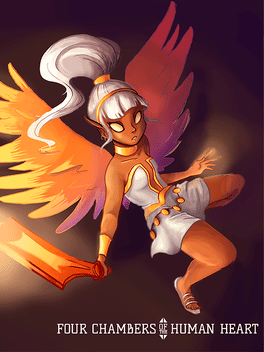
A professional cosplayer leads an ordinary life. He takes on a job in pest control, where his boss insists he works in full cosplay to differentiate the business from the competition. The story follows the indignation and humiliation of the protagonist, as he aims to become independently wealthy.Fushigi no Gensoukyou 3
2014
Fushigi no Gensoukyou 3 is a roguelike game by Aqua Style based on the Touhou Project series.Kotoba no Kieta Hi ~Kokoro made Hadaka ni Suru Jun'ai Choukyou~
2014
An erotic visual novel starring a protagonist who can read minds. Use this power to engage in a wide variety of sexual acts centered around the concept of "consensual abnormal play," where you and your partner push the limits of eroticism.12 no Tsuki no Eve
2014
12 no Tsuki no Eve
2014
At the end of the year, even though everyone has different feelings, they all spend the last days of the year in a busy fashion. This spirit is also present in a new town Megumishi, close to the city. On Christmas Eve, an extremely ordinary boy, Naoto, met a strange girl. Even though she hadn’t met him before, she had a sense of déjà vu. This was when the story of Naoto and three girls begins. One wished to protect her happy time. One unconsciously tried to obtain something. One strove to achieve a precious goal.Burning Cars
2014
Burning Cars
2014
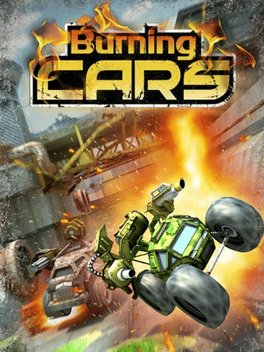
He got close a few times, but never won the Trashpit Championship. As skilled behind the wheel as your father was, there was something missing. Maybe it was instinct, maybe ferocity, or the hummingbird beat reaction times that success on the track demands. Regardless, his racing days are over; that’s why he gave you the keys to his old truck and a little money to get started. The future is now yours and you have a family legacy to uphold. Stunning effects, amazing fire and hard racing with bullets - is that what you were craving for so long? Prepare to listen to the burn-in noise of madly spinning tires at the start. Just get in a car and try to survive on the track. Be quick, be smart, be fearless and the Trashpit Cup will be yours! Just don't forget to take a good minigun and couple of mines, the competition is anything but friendly.Aces Wild: Manic Brawling Action!
2014
star 8Aces Wild is a fast-paced, hardcore, aerial beat 'em up. You play as Ace Wilder trying to defeat your brother Rex in a tournament where he and all the other entrants have colluded against you. Utilize a wide range of offensive and defensive skills to defeat hordes of enemies all at once and go for a high score! There are several playable characters and local co-op play.FX Football: The Manager for Every Football Fan
2014
User-friendly, easy to grasp and fun to master. FX Eleven believes in offering a game system designed for every football fan out there: agile, powerful, full of options and extremely fun. A leader in the locker room: Signing the new contract. Getting to know your squad. Discovering the club's facilities. Being presented to your supporters. Finding your starting lineup. Bringing out the best in every player. Watching them grow under your guidance. Cheering them on when they display rehearsed moves on the field. Feeling the fans' support... It's small details like these that remind you why you love football.Payday 2: Gage Weapon Pack #02
2014
The Gage Weapon Pack #02 is the fifth DLC pack for PAYDAY 2. The Cloaker makes a return to put fear in the hearts of every criminal. Gage has the perfect antidote however and brings back the Light Machine Gun and introduces melee combat weapons to counter them.Train Simulator 2021: Amtrak P42 DC 'Empire Builder' Loco
2014
The ubiquitous Amtrak P42 DC is one of the most modern and fuel efficient diesel locomotive on the North American rail network, and is now available for Train Simulator 2021. Most notable for its streamlined, low profile single carbody design, the P42 DC is unique among North American diesel-electric locomotives because of its low height.FX Eleven
2014
Duke 2070
2014
Duke 2070
2014
Made for the 9th annual map contest of Duke España. It's a very large city from the author of the Doom II Planisphere (extremely large city) levels.Bury
2014
Bury
2014
Coco loses her most treasured notebook. Perhaps it's in that place... But that place is somewhere I definitely shouldn't go to, right? Relying on those words, Coco goes off to look for her notebook.Our Darker Purpose
2014
Our Darker Purpose
2014
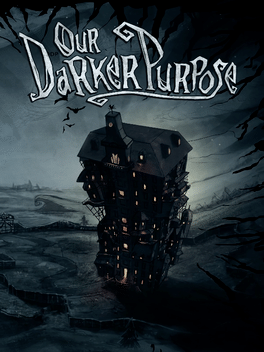
star 8Darker Purpose is a top-down, rogue-like action RPG that combines the ingenuity of genre-defining classics with the expansiveness and accessibility of modern day action adventure games. The gameplay is steeped in a variety of influences ranging from A Link to the Past to The Binding of Isaac to Diablo. We love games with great mechanics and awesome, bizarre storylines, and that’s what we’re creating with Our Darker Purpose.I Spy: Challenger!
2014
Echo Prime
2014
Echo Prime
2014
Fight your way across the galaxy in this epic action game from the makers of the 2011 AIAS Strategy Game of the Year "Orcs Must Die!" and the 2012 AIAS Mobile Game of the Year "Hero Academy." Battle hordes of dangerous alien creatures, space pirates, and killer mercenaries with blaster and blade as you travel from star to star, uncovering the secrets of the multiverse. Make contact with the Echoes, mysterious beings from alternate universes who will lend you their abilities and aid you in your quest to save humanity from an alien menace. Acquire a myriad of powerful weapons and armor, watch your abilities grow to unmatched levels, and prepare to take on the most fearsome opponents in the galaxy!Strike Vector
2014
Strike Vector
2014
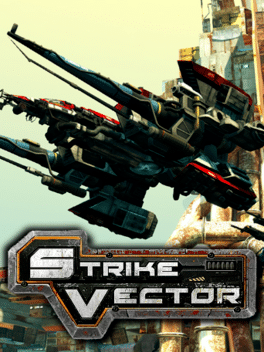
star 6.1Strike Vector is a Brutal aerial FPS that will see you test your skills online against other players in the tradition of Quake 3 and Unreal Tournament. The game offers an hardcore learning curve for those who don't fear to die a lot at first but who will get a massive rewarding feeling when they will master the game and dominate the battlefield.