New Genesis Slash Megadrive Games - Page 19

Sonic the Hedgehog Beta Hoax
1999
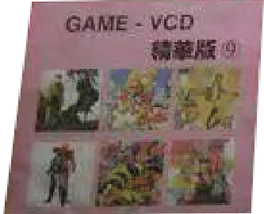
In 1999, Cyan Helkaraxe wanted to stir up more interest in Sonic 1 among the Sonic community. He decided to do something which had never been done at that time: create a ROM hack. The resulting hack would become known as the Sonic 1 Beta Hoax. Cyan set to work on the Sonic 1 REV00 ROM, researching its internal workings primarily by a trial and error process, since there was absolutely no documentation on Sonic 1 available at the time. His goal was to create a hoax prototype a game that mimicked the behavior of a "genuine" Sonic 1 prototype. In May 1999, Cyan released his hack to Simon Wai's Sonic 2 Beta page. The ROM was deliberately not listed as a hoax; rather, it was released under the title "Sonic 1 beta?". The release of the hoax prototype stirred up more interest in Sonic 1, and when it was identified as a hoax, Andy Wolan invited Cyan to the Sonic Stuff Research Group for his work in creating the ROM hack.Game-VCD 9
1998
Game-VCD 8
1998
Game-VCD 7
1998
Game-VCD 6
1998
Game-VCD 5
1998
Game-VCD 4
1998
Game-VCD 3
1998
Game-VCD 2
1998
Game-VCD 1
1998
Frogger
1998
Frogger
1998
Frogger was licensed for North American distribution by Sega-Gremlin and worldwide by Sega itself. It is regarded as a classic from the golden age of video arcade games, noted for its novel gameplay and theme.Super Mario Bros. 2
1998
Super Mario Bros. 2
1998
Super Mario Bros. 2 is a pirated port of the All-Stars version of Super Mario Bros. for the Mega Drive/Genesis, made by Gamtec in 1998.Sonic Jam 6
1998
Sonic Jam 6
1998
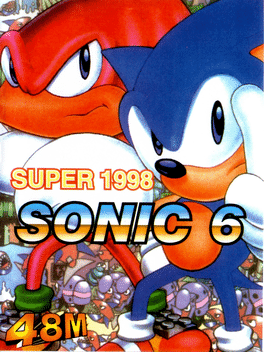
Sonic Jam 6 is a version of Super Mario Bros. 2 (the bootleg version) featuring Sonic instead of Mario. This version replaces the title screen with ported version of Sonic Jam's and includes a screenshot of the Sega Mega Drive version of Sonic 3D Blast's intro to overlap Mario's face on the level intro/status screen. However, his face wasn't removed in the bonus areas.Dragon Ball: Final Bout
1998
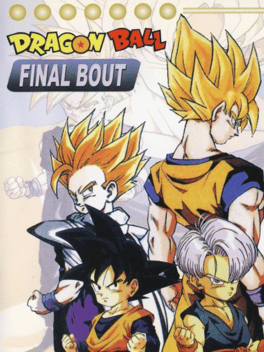
Dragon Ball: Final Bout is an unlicensed fighting game developed for the Sega Mega Drive. A re-release of the game was done two years later in 2000, but it's unknown if this re-release has any difference from the original 1998 release.Chess
1998
Chess
1998
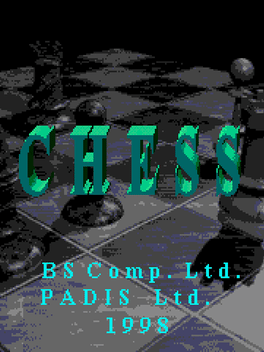
Chess for the Sega Mega Drive is an unlicensed Chess game released in 1998. The game is just a typical Chess game, but is played from a 2.5D perspective. The board can also be customized, and the music can also be turned off.Adventurous Boy: Mao Xian Xiao Zi
1998
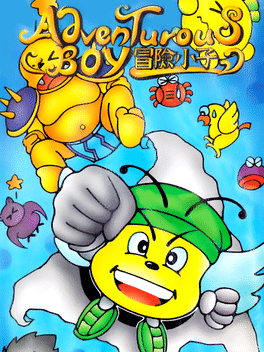
Adventurous Boy: Mao Xian Xiao Zi (冒險小子) is an unlicensed Fantasy Zone clone, though features completely original graphics and sound.Mulan
1998
Mulan
1998
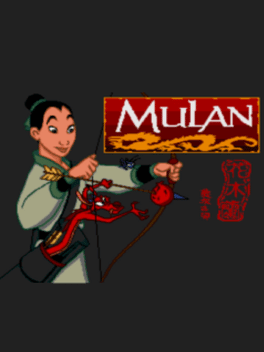
Mulan is a game for the Sega Mega Drive based on the Disney film of the same name, released in 1998. It was likely developed by ex-Chuanpu developers and published by X Boy. A second release exists that does not credit X Boy but it is unknown if it was published by another company or by X Boy without their logo.Sport Games
1998
Sport Games
1998
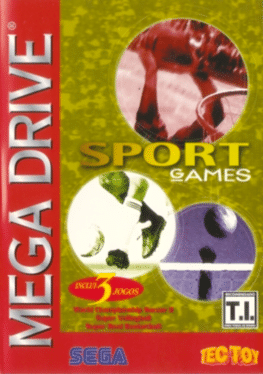
Sport Games is a compilation of Sega Mega Drive sports games released by TecToy in Brazil in 1998. Included games are Super Volley Ball, World Championship Soccer II and Super Real Basketball.Tun Shi Tian Di III
1997
Tun Shi Tian Di III
1997
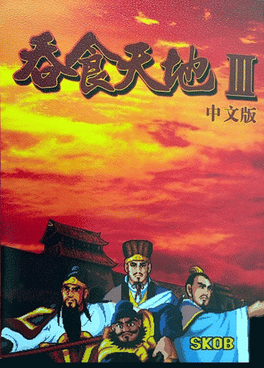
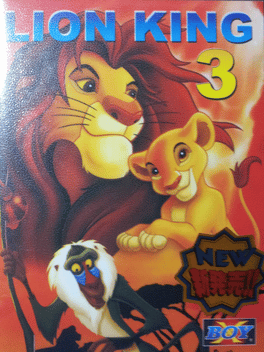
Tun Shi Tian Di III, also known as Conquering the World III or Destiny of an Emperor III, is an unlicensed Sega Mega Drive RPG released by SKOB during the 1990s. Two versions of the game exist, the former with traditional Chinese text for sale in Taiwan, and the latter in simplified Chinese for sale in mainland China. Despite its name, Tun Shi Tian Di I and Tun Shi Tian Di II are not thought to have existed.Lion King 3
1997
Lion King 3
1997
Lion King 3 is a platform game released for the Sega Mega Drive based, not the Disney film of the same name, but the original film itself, as a follow-up to The Lion King II. It was developed by an unknown company likely connected to Gamtec and published by X Boy. A second release does not credit X Boy but it is unknown if it was published by another company or by X Boy without their logo.