New Dos Games - Page 51

Links: Championship Course - Barton Creek
1991
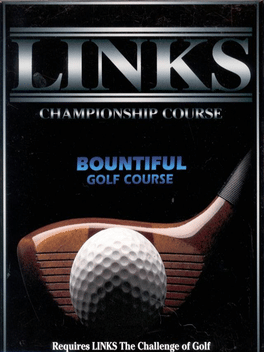
Links: Championship Course: Barton Creek is a golf course add-on compatible with Links: The Challenge of Golf, Links 386 Pro and Microsoft Golf. The featured 18 hole course is the Fazio Course located in Barton Creek, designed by architect Tom Fazio. The course is one of the four championship courses located at the Barton Creek Country Club in Austin, Texas. Also included is a photo tour of the Barton Creek course and facilities.David Leadbetter's Greens
1991
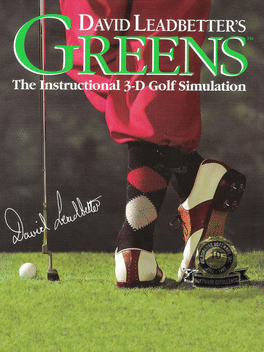
MicroProse made a change from military simulations by recreating golf in fine detail. This was the first golf game to operate in true 3D. This means that the player's stance and swing technique can be adjusted, and have a significant effect on the shot outcome. Although the manual's tutorial helps, it's harder to master than rivals such as PGA Tour Golf. There are six courses, an unprecedented number for a computer simulation, and tonnes of playing modes.S-Tetris
1991
Western Front: The Liberation of Europe 1944-1945
1991
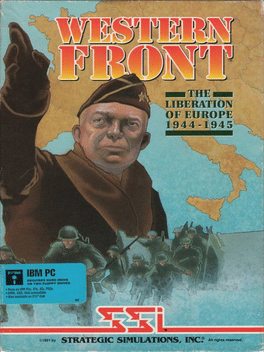
A grand strategical game of World War 2 in the west from 1944 to 1945. Both the Western and the Italian front are covered in detail; the Eastern front is simulated in order to reflect the influences of a two-front war.Die Drachen von Laas
1991
Die Drachen von Laas
1991
Drachen von Laas tells the story of two young friends who are bored with their everyday life in the medieval fantasy world of Laas. They decide to leave their little village and seek adventures. Adventures they find when they are asked to kill two mighty dragons that rampage the area of a far-away city.Jumpman Lives!
1991
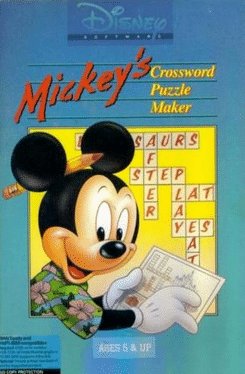
Mickey's Crossword Puzzle Maker
1991
This language skills educational game allows you to create original crossword puzzles using word clues or 185 illustrations which can be used to as picture clues. After entering the clues you can randomly generate puzzles that you can solve yourself or play against Mickey (hard), Donald (medium) or Goofy (easy). The game features bonus and super bonus points, more than 20 musical tunes and a fireworks display for the winner. You can also print your creations using Disney backgrounds or borders, including such characters as Dumbo, Peter Pan, Snow White and many more. Picture menu bars guides you through both the game and the tools for creating and printing out puzzles.Mixed-Up Fairy Tales
1991
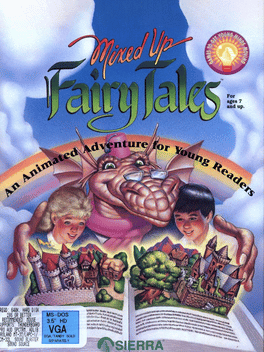
Mixed-Up Fairy Tales
1991
Bookend has been mixing up Bookwyrm's fairy tales and you have to set things right by aiding well known fairy tale characters such as Cinderella and Snow White. To set things right, you will need to go around acquiring objects, such as Jack's magical beans, to give to Jack so that he can raise a beanstock. The game is designed with younger gamers in mind, and features a simple VGA interface with two actions, "Do" and "See"; rather than the full hidden icon bar used in other Sierra games.Super Munchers
1991
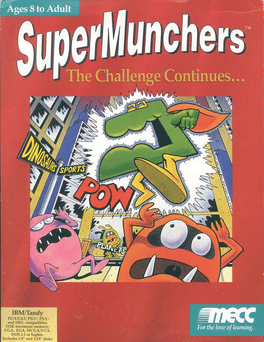
Super Munchers
1991
Super Munchers is a trivia action game. The player moves their muncher around a grid and eats words that fit a given clue or category. Incorrect words and a variety of critters get in the way.Gazza II
1991
Crisis in the Kremlin
1991
star 6Don’t let the Soviet Union collapse, and fall in the darkness of history or lead the Union by a new path – democracy and free market! But before you decide something, think – wouldn’t it cause more harm than good?The Games: Winter Challenge
1991
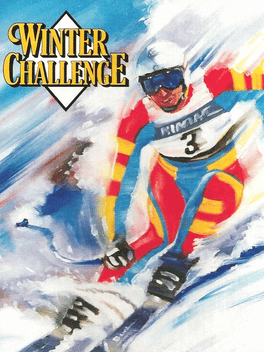
star 5.9In the Winter Challenge, you have to succeed in many winter Olympic games. Your goal is to beat your opponents and when you are a true master, to beat the world record. The game can be played against computer or against more players. You will enjoy many hours with this great game.Scorched Earth
1991
Scorched Earth
1991
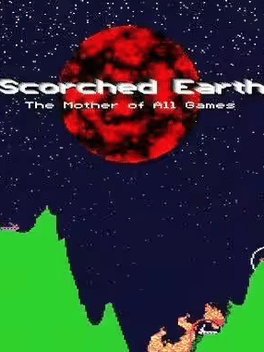
star 7.9Blast your enemies from the face of the Earth together with Earth itself. Buy bigger weapons to crush more enemies. Get more money for crushing more enemies. And finaly buy a much more bigger weapons to crush even more enemies. Scorched Earth is an early classic shareware artillery game that featured hot-seat multiplayer for up to 10 players, and was the spiritual predecessor to games like the Worms series.Nibbles
1991
Nibbles
1991
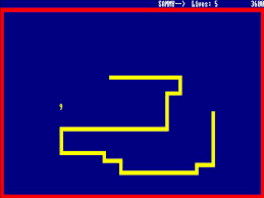
Nibbles is a simple video game and variant of Snake. It was inspired by an early 1980s game called Hustle from the Radio Shack TRS-80 micro-computer. (It was not influenced by Mozaik Software's 1984 Amstrad CPC game, Nibbler, despite the similar names.) Nibbles was written in QBasic by Rick Raddatz, who later went on to create small business companies such as Xiosoft and Bizpad. The game's objective is to navigate a virtual snake (or worm) through a walled-space while consuming numbers (from 1 through 9) along the way. The player must avoid colliding with walls, other snakes or their own snake. Since the length of the snake increases with each number consumed, the game increases in difficulty over time. After the last number has been eaten, the player progresses to the next level, with more complex obstacles and increased speed. There is a multiplayer mode which allows a second player to control a second snake by using a different set of keys on the same keyboard. Nibbles originally became popular because it wasQbasic Gorillas
1991
Qbasic Gorillas
1991
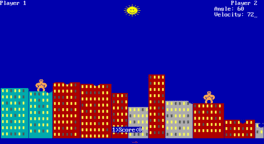
star 8.7Gorillas is a video game first distributed with MS-DOS 5 and published in 1991 by IBM corporation. It is a turn-based artillery game consisting of two gorillas throwing explosive bananas at each other above a city skyline. The players can adjust the angle and velocity of each throw, as well as the gravitational pull of the planet.EcoQuest: The Search for Cetus
1991
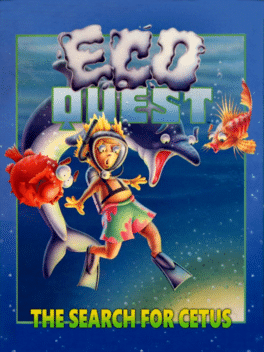
star 7.4In EcoQuest: The Search for Cetus, the player is cast into the role of Adam, the twelve-year-old son of the famous ecologist Noah Greene. One day, his father rescues a dolphin from an abandoned fish net. As Adam becomes more friendly with the creature, he is amazed to discover that the dolphin can talk! Adam finds out that his new friend is Delphineus, the messenger of the whale king Cetus. As a qualified scuba diver, Adam is chosen to venture into the underwater kingdom of animals known as Eluria, and help its inhabitants. The game's interface and basic gameplay are similar to those of other Sierra adventures: the player interacts with the environment by selecting icons that represent verb commands ("Look", "Talk", "Use", etc.) and applying them to objects or characters. Compared to most other adventure games by the same company, the difficulty level is lower, with the intention of making the game more suitable for younger players; for instance, it is impossible to "die" or get irrevocably stuck in the game. DesZZT
1991
ZZT
1991
A DOS-based ASCII game creation program. Built for simple, top-down shooter or adventure games, with a built-in object-based programming language for added complexity.Timequest
1991