New Games - Page 11371

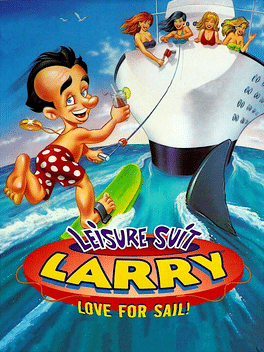
Leisure Suit Larry: Love for Sail!
1996
star 8.1Love for Sail! was the first Larry game since the third to pick up immediately where its predecessor left off; typically, it features Larry getting dumped by the woman who represented the ultimate goal of Larry 6, Shamara. The formula was much the same as the previous games: the "twist" was that Larry was a passenger on a cruise ship populated by parodies of famous people. Among the other cruise guests were "Drew Baringmore" (Drew Barrymore), "Dewmi Moore" (Demi Moore), "Victorian Principles" (Victoria Principal), "Jamie Lee Coitus" (Jamie Lee Curtis), "Nailmi" and "Wydoncha Jugg" (Naomi and Wynonna Judd) and "Annette Boning" (Annette Bening). Various other pop icons were parodied in the background, such as the Archie Comics gang playing nude volleyball, various incarnations of James Bond in the ship's casino (itself an homage to Peter Sellers's famous Casino Royale parody), a Sierra staffer dressed as Sailor Moon, and porn icon Ron Jeremy walking around naked. Most of the male supporting cast (Peter the Purser, JDead or Alive
1996
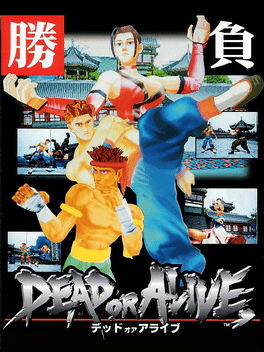
Dead or Alive
1996
star 6.1Dead or Alive is a 1996 arcade fighting game by Tecmo for the Sega Model 2 (2A CRX and 2B CRX) arcade hardware and the first game in their Dead or Alive franchise. It was ported to the Sega Saturn in 1997. A limited edition was also released for the Saturn which came with an art book. An enhanced port including new characters was released for PlayStation, and later backported for arcade under the title "Dead or Alive++".Twinkle Star Sprites
1996
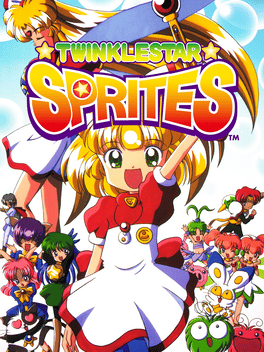
Twinkle Star Sprites
1996
Neo Geo AES Web browser Neo Geo MVS Linux Wii PC (Microsoft Windows) Mac Sega Saturn Neo Geo CD Dreamcaststar 6.6Twinkle Star Sprites is a 1996 competitive scrolling shooter arcade game originally created by ADK. It was ADK's last production for the Neo-Geo platform. The gameplay, which can be characterized as a combination of a fixed shooter and a versus puzzle game, uses combinations of shots, as well as timed power-ups to attempt to damage the opponent. These attacks also serve as counters to the opponent's attack.Killer Instinct Gold
1996
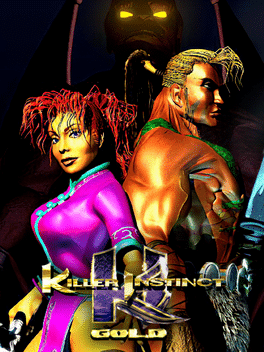
Killer Instinct Gold
1996
star 6.7Rare was a prominent second-party developer for Nintendo, and produced the Killer Instinct series exclusively for the company as their response to Mortal Kombat. Following the success of the 1995 Killer Instinct port for the Super Nintendo home console, Rare began a sequel for the same console. They transitioned development to the Nintendo 64 upon its announcement. Gold was scheduled as a launch title for the new console but was delayed until its North American release in November 1996. It received a wider release in May 1997. It was also included in Rare's 2015 Xbox One retrospective compilation, Rare Replay.BS Marvelous: Camp Arnold - Course 4
1996
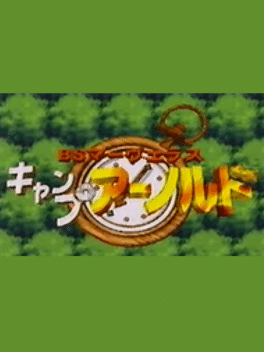
The fourth and final part (week) of BS Marvelous: Camp Arnold. BS Marvelous: Time Athletics is a Downloadable 4-part Soundlink game for the Satellaview that ran between January 1, 1996 and January 31, 1996. The game was broadcast in as a rerun in April, 1996.Tamagotchi
1996
Tamagotchi
1996
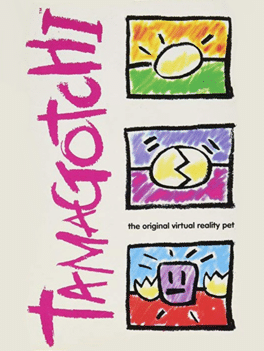
The Tamagotchi is a handheld digital pet that was created in Japan by Akihiro Yokoi of WiZ and Aki Maita of Bandai. It was released by Bandai on November 23, 1996 in Japan and on May 1, 1997 in the rest of the world, quickly becoming one of the biggest toy fads of the late 1990s and the early 2000s. This version is also officially known as "Gen1" to differentiate it from the later release of "New Species Discovered!! Tamagotchi" also known as "Gen 2".Bubble Trouble
1996
Bubble Trouble
1996
Bubble Trouble's world is filled with lusciously-drawn cartoony critters who give that cranky crab from "The Little Mermaid" a run for his money. But money isn't what you'll be running from: an otherwise peaceful fish bowl has been filled with bubbles that are being tossed around in an enthralling game of "Squish the Fish!"Donkey Kong Land 2
1996
Donkey Kong Land 2
1996
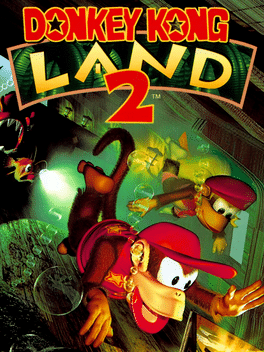
star 7.9Donkey Kong Land 2 is the first sequel to Donkey Kong Land for the Nintendo Game Boy and was released in 1996. The story mainly complies to its SNES counterpart; K. Rool kidnapped Donkey Kong, demanding the entire Banana Hoard as ransom, so it's up to Diddy Kong and Dixie Kong to rescue their kidnapped pal. A wild assortment of friendly animals like Rambi the Rhino, Squitter the Spider, Squawks the Parrot, Rattly the Rattlesnake and Enguarde the Swordfish help the two little monkeys in their adventurous mission. Each exciting level is filled with special traps, hidden items and dastardly Kremlings! Prepare yourself for the biggest Game Boy adventure yet!Saorin to Issho!!
1996
Obelisk
1996
J.League Jikkyou Winning Eleven 97
1996
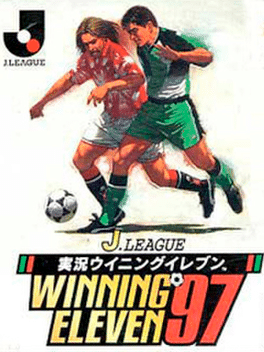
J.League Jikkyou Winning Eleven '97 (or World Soccer Winning Eleven 2) is a 1996 Japan-exclusive soccer simulation video game, which was developed and published by Konami for the PlayStation.Fushigi no Dungeon: Fuurai no Shiren GB - Tsukikage-mura no Kaibutsu
1996
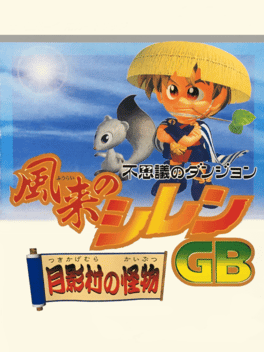
Shiren the Wanderer GB: Moonlight Village Monster is a roguelike role-playing video game developed by Aquamarine, part of the Mystery Dungeon series. It was originally released for the Game Boy by Chunsoft in 1996.Fist
1996
Fist
1996
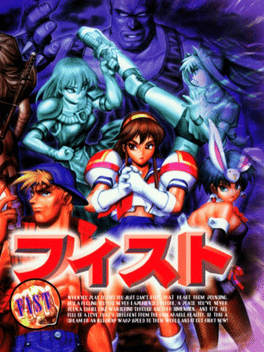
An obscure 3D fighting game and a sequel to the all-girl Japan-only fighting game Seifuku Densetsu Pretty Fighter.Cobra the Shooting
1996
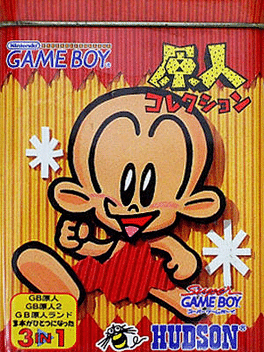
Genjin Collection
1996
Touhou Chinyuuki: Hafling Hearts!!
1996
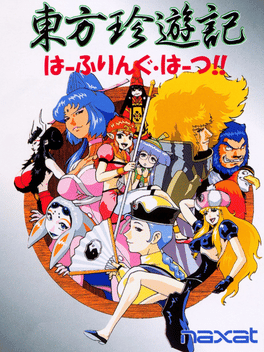
A PlayStation adventure game about a futuristic retelling of the classic Chinese novel "Journey to the West."Christmas Nights into Dreams
1996
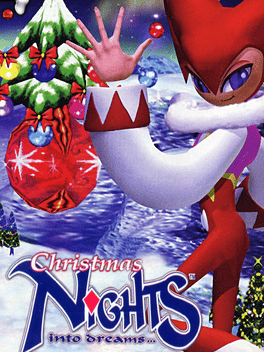
The story of Christmas Nights follows Elliot and Claris during the holiday season following their adventures with Nights. Though they both enjoy the Christmas season, they feel as if something is missing. Finding that the Christmas Star that usually sits at the top of the Twin Seeds Christmas tree is missing, the pair head off to Nightopia to find it. There, they meet up with Nights again and re-explore Spring Valley, which has now been Christmas-ified due to the kids' dreams of the holiday season. The trio of heroes must now take down a revived Gillwing and retrieve the Christmas Star from his lair. The game uses the Saturn's internal clock to change elements of the game according to the date and time. In November and January, the title screen label "Nights: Limited Edition" is changed to "Winter Nights", with the lush greenery of the environment being replaced by white snow. During December, "Christmas Nights" mode is activated, resulting in further Christmas-themed alterations, such as item boxes becoming ChrisYoyo's Puzzle Park
1996
Yoyo's Puzzle Park
1996
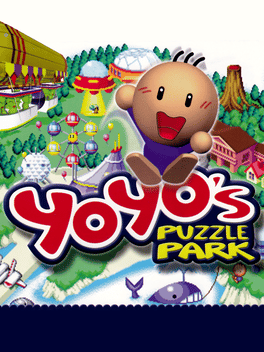
YoYo's Puzzle Park (released as "Gussun Paradise" in Japan) is a puzzle platform game featuring some sixty platform-filled levels similar to Bubble Bobble. The player (as Guss or Yodie) can hop around on them, while avoiding the enemies that crowd the platforms. ... In the multi-player mode, you can fight against your friends in a two-player deathmatch game.Sengoku Blade: Sengoku Ace Episode II
1996
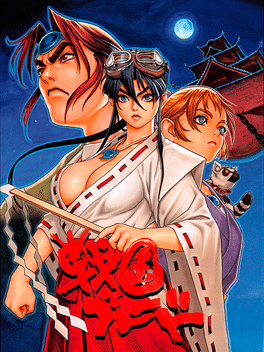
Sengoku Blade: Sengoku Ace Episode II, originally released in Japan as Tengai, is a horizontally scrolling shoot 'em up video game released for arcade machines in 1996 by Psikyo as a sequel to the 1993 shooter Sengoku Ace. It was later released as a part of Psikyo Shooting Collection Vol. 2: Sengoku Ace & Sengoku Blade for the PlayStation 2. The game is set in a historical fantasy version of the Sengoku period of Japanese history, featuring demons, magic and steam-powered robotics. It was followed by Sengoku Cannon: Sengoku Ace Episode III, released for the PlayStation Portable in 2005.Panzer Dragoon Mini
1996
Panzer Dragoon Mini
1996
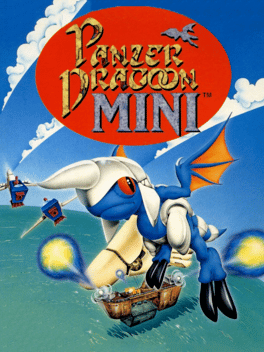
One thousand years into the future, you live in constant fear of the Dark Dragon and his giant cyborg insect armies. Armed with a deadly weapon from the ancient past and the guidance of your armored blue dragon, you must save your people from endless swarms of deadly foes. Fulfill your destiny and keep the Dark Dragon from reaching the tower; or die trying.