New Games - Page 11365

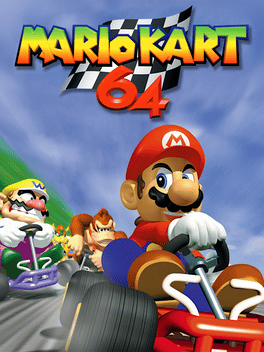
Mario Kart 64
1996
Mario Kart 64
1996
star 8.1Mario Kart 64 is the second main installment of the Mario Kart series. It is the first game in the series to use three-dimensional graphics, however, the characters and items in this game are still two-dimensional, pre-rendered sprites. The game offers two camera angles and three engine sizes: 50cc, 100cc and 150cc. Each kart has distinctive handling, acceleration and top speed capabilities. Shells that you fire at rival racers, Bananas that make them skid out and Lightning Bolts that make them small and very slow are just a few of the game's unique power-ups.Pebble Beach no Hatou Plus
1996
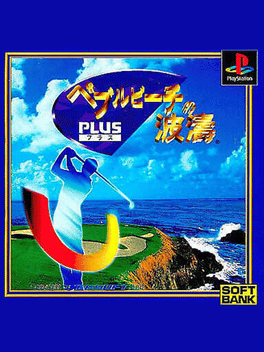
Pebble Beach no Hatou Plus is the sequel to the Megadrive game Pebble Beach no Hatou that was released in 1994. Enjoy the 3D golf course set in a prestigious West Coast surrounded by the natural beauty. Pebble Beach is widely regarded as one of the most beautiful courses in the world. It hugs the rugged coastline and has wide open views of the ocean. 3D is a beautiful and faithful reproduction of the Pebble Beach golf course layout and graphic art.Madou Monogatari I: Honoo no Sotsuenji
1996
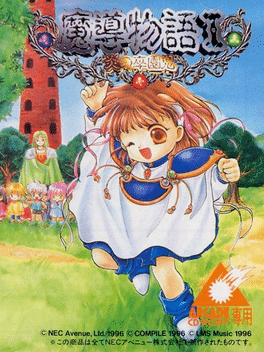
Sorcery Kindergarten has very strict requirements for graduation. Indeed, this year, only one person even qualified to take the final exam at all: six-year-old Arle Nadja, who now faces the daunting task of climbing the monster-infested Magic Tower and retrieving the three Magic Orbs hidden within in order to graduate. What trials await Arle inside the Tower? Can she pass the test, or will she be doomed to another year of kindergarten? Madou Monogatari I: Honoo no Sotsuenji (Sorcery Saga I: The Fiery Kindergarten Graduation) is a 1996 dungeon crawler for the PC-Engine Super CD-ROM² system. It's a remake of the first game in the Madou Monogatari series, originally developed by Compile for the MSX2 computer and subsequently ported to several other platforms. The various ports differ wildly from each other, sometimes to the point of being almost completely different games; though the PC-Engine version is based on the original home computer editions, it adds high-quality cutscenes, CD audio, near-full voice acting, aTrue Love Story
1996
True Love Story
1996
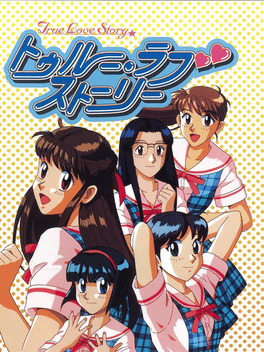
True Love Story is a visual novel styled love simulation game where the protagonist meets many girls and has one month's time to make one of them fall in love with him. The player moved to a new town and is living with his younger sister. The story progresses in a typical visual novel style where one reads onscreen text, talks to present characters and moves from location to location in a determined order. Free movement is not done directly on a map but is rather scheduled. During school and lunch breaks the player can schedule places on school campus he wishes to visit, and after school additional scheduling of the place around the town can be selected. Depending on place one visits, the location will have different girls to talk to, or if noone and the player will soon leave the place without engaging in any dialogue with anyone.Pocket Puyo Puyo Tsuu
1996
star 6.9Pocket Puyo Puyo Tsuu is the Game Boy port of the arcade game Puyo Puyo Tsuu.J.B. Harold no Jikenbo: Kiss of Murder
1996
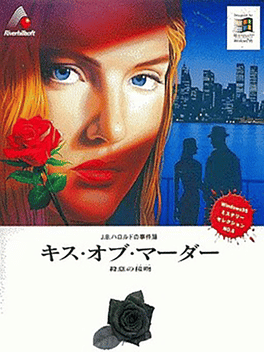
Kiss of Murder is set in a parallel world to Manhattan Requiem, and while featuring the same set of characters as that title, has a completely different scenario. Early releases of the game were add-ons to "Manhattan Requiem" and used its graphical data. This version is a stand-alone release as a part of the Windows 95 Mystery Selection series.Funky Fantasy
1996
Casual Romance Club
1996
Casual Romance Club
1996
You are a teenage boy in high school. You join the Casual Romance Club in order to meet other people and perhaps find love. There are twelve girls you can approach, each one possessing her own unique beauty and personality. Use your time and efforts wisely and you may just get yourself more than a casual romance... You are given a month to shop around and win somebody's love, after which you'll ask the girl of your choice to keep seeing you even after the club adjourns. Each game day starts at the Starry Sky restaurant, with the club notebook laid out for you. The club notebook has the lowdown on all the girls -- their basic statistics, pictures, horoscopes, likes, dislikes, etc. The girls also record their thoughts and reactions on daily events next to their horoscopes, so reading the club notebook can prove vital to your success.Road Rage
1996
Road Rage
1996
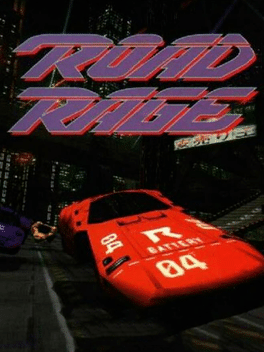
A futuristic racing game from Konami that takes place in Neo Kobe City, the setting for Snatcher.Jikkyou Oshaberi Parodius: Forever With Me
1996
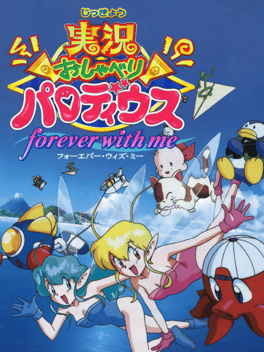
Released a year after Jikkyou Oshaberi Parodius, this port for the Sega Saturn and PlayStation includes improved graphics and sound over the Super Famicom release. Additional features include a cheat to replace "Tokimeki People's Dance" with an enhanced version, "Days Of The Dream's Memories", several "Omake" stages, and unlockable characters Dracula-kun and Kid Dracula. The two-player game also allows both players to play simultaneously instead of just alternately like in the Super Famicom game.Battle Athletess Daiundoukai
1996
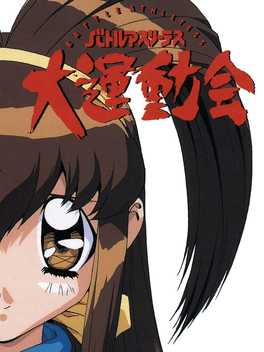
A simulation game for the Sega Saturn and PlayStation. It is part of the Battle Athletes multimedia project by Anime International Company which also includes a manga and anime series.ZeiramZone
1996
ZeiramZone
1996
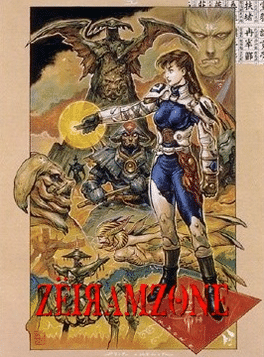
Horizontal scrolling action based on the popular "Zeiram" special effects movie directed by Keita Amemiya. By using the 3D polygon characters and background appearance to achieve dramatic camera work as a movie scene, it becomes a powerful realization. Operate the Bounty Hunter Ilya, and she shall be confronted with the most powerful Zeiram combat organisms.GaiaSeed: Project Seed Trap
1996
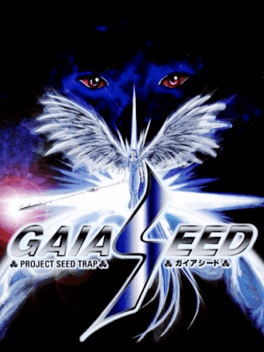
Gaia Seed is a horizontally scrolling shooter from Techno Soleil. The game comes from the fabulous line of classically-styled Japanese shoot 'em ups, bursting at the seams with parallax scrolling, screen-filling bosses and other classic effects that you could count on from the games of this era. But the real beauty of GaiaSeed lies in its subtlety. The game has tight control, precise bullet collision, and a simple powerup system, while the haunting soundtrack stands out for its techno/ambiance mood, adding to the subliminal nature of the work. You have a single ship choice and three difficulties. Gaming veterans will want to start on HARD, which differs only slightly if at all from NORMAL, and isn't particularly challenging anyway. You get two extra credits in NORMAL, for a total of 5, which is ample if you want to credit feed your way to the best ending. No one should touch EASY, since it limits you to reaching Stage 4. There are 7 stages with 3 possible endings, none of which are affected by credit usage. PowerClock Tower
1996
Clock Tower
1996
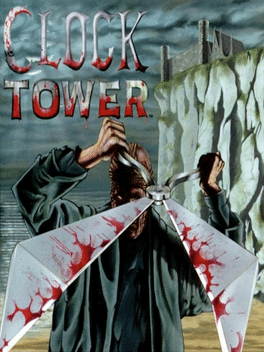
star 7.7Clock Tower, known as Clock Tower 2 in Japan, is a PlayStation point-and-click survival horror game and a sequel to Clock Tower: The First Fear. One year after the events of Clock Tower: The First Fear, in late 1996, Jennifer Simpson has been adopted by Helen Maxwell, the assistant of a renowned psychiatrist, Samuel Barton, and is currently undergoing treatment at a university research building in Oslo, Norway, to help her cope with her traumatic experiences in the Clock Tower case and possibly shed some light on the mystery that was the Scissorman.Enemy Zero
1996
Enemy Zero
1996
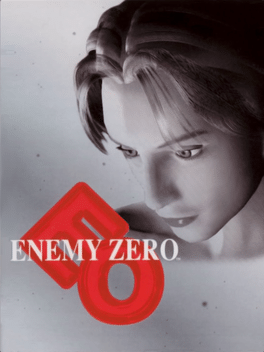
Enemy Zero was the second game to star the digital character Laura Lewis—the first being D. In E0, gameplay sequences alternate between interactive FMV and real time exploration, both from a first person perspective. The interactive FMV component uses gameplay identical to an earlier Warp game, D. The real time component of E0 is unique. Enemies are invisible, and location is only possible through the use of sound, with notes of different pitch helping the player find the distance and direction of enemies. Additionally, every gun in the game must be charged up immediately before each shot, and charging a shot for too long will cause the charge to dissipate, after which the charging must start over. Since all available guns have very limited range, this makes timing crucial; beginning to charge the gun too late or too soon will allow the enemy to reach Laura, resulting in an immediate game over. In Enemy Zero, reloading the gun and moving the character around are mechanics that have been made intentionally slowHyperblade
1996
Hyperblade
1996
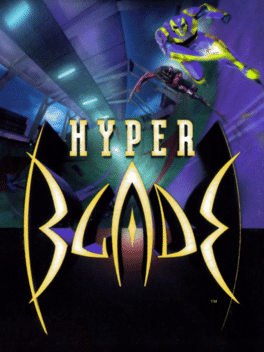
HyperBlade introduces the 3D battlesport of the future. Players engage in a futuristic street-hockey style game played out on the interior of an elongated ellipsoid arena. Body-checks (weapons are included) go for blood in this game as players can be gruesomely eliminated from the game, including the option to score with an opponent's dismembered head. Power-ups, speed boosts, ramps, and simple team management (for substitutions) are all part of the experience. Some strategy is required for play, but it's mostly pure action. The game also features multiple skill levels, 12 teams (from a US tournament league), and head-to-head network play (IPX and TCP LAN only). If you are looking for a 3D version of Speedball, this is as close as it gets.Bug Too!
1996
Bug Too!
1996
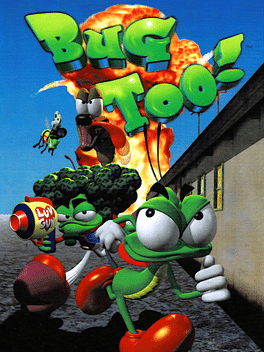
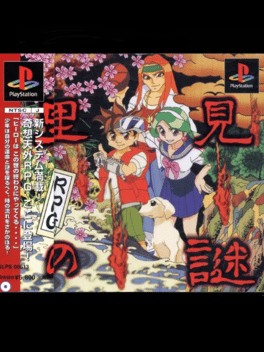
Bug Too! was a third person platform/adventure game, and has lots of console-style play mechanics. The player can play as Bug and/or his 2 new sidekicks, Maggot Dog and Super Fly. The player goes through several new 3D worlds, all of which are parodies of movies. The player must defeat the themed villains through all of the environments to make Bug's homeland safe once again.Satomi no Nazo
1996
Satomi no Nazo
1996
Satomi no Nazo is a 2D RPG about a young boy trying to stop a dangerous cult that's trying to destroy the world. It's up to him and his dog to travel across different lands to try and stop them. During the journey, he meets other colorful characters that come to join. The cast overall includes: Saya, Izumi, Grumpy the Dog, and Haekel.