New Playstation Portable Games - Page 65

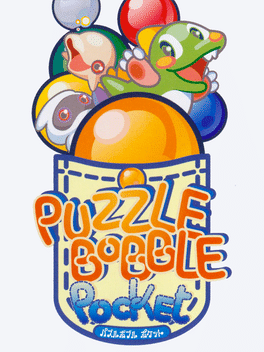
Puzzle Bobble Pocket
2004
Puzzle Bobble Pocket
2004
The famous Puzzle Bobble series made a version ready as a launch title for the PSP. This title brings the classic puzzle gameplay that the series is known for, with four modes to choose from: Single, Endless, VS and Survival.Cave Story
2004
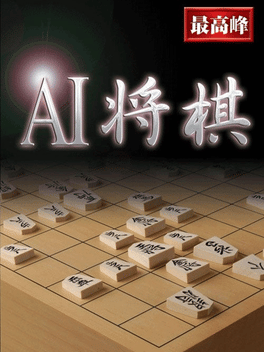
AI Shogi
2004
Dynasty Warriors
2004
Dynasty Warriors
2004
A portable version of Dynasty Warriors released for the PSP in 2004 in Japan and in 2005 in North America and Europe, being one of the launch titles for this console in both North America and Japan. It adds new modes to the Dynasty Warrior franchise. Unlike previous games, it allows the player to have up to four deployable officers to accompany them during battle. These officers range from characters who are otherwise playable to generic officers with unique skills and traits.Metal Gear Acid
2004
Metal Gear Acid
2004
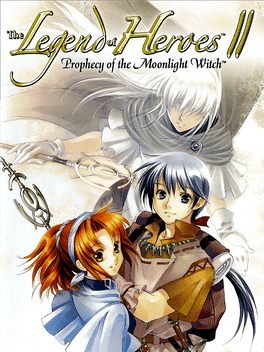
star 7.4Metal Gear Acid is a turn-based collectable card game. It was the first game in the Metal Gear series for the PSP. A Java ME version for mobile phones was released by Glu Mobile in 2008 titled Metal Gear Acid Mobile. Acid focuses on turn-based tactics, using a trading card-based system to control the main character's movements and actions. Acid in the name stands for "Active Command Intelligence Duel". The cards are not truly collectable, as the game is complete with a single purchase. However, the game does feature deck design and deck optimization elements. The game allows for multiplayer gameplay by wireless ad-hoc connections of two PSPs. Before each round, the player can customize the deck of cards used by the main characters. Most cards are based on elements spanning the entire Metal Gear series, such as weaponry, characters, and even the Metal Gear itself. When the game is started, the player's hand can consist of a maximum of six cards. The maximum number of cards in a deck increases with overall progressThe Legend of Heroes II: Prophecy of the Moonlight Witch
2004
star 8.5The third game in The Legend of Heroes series originally released for Japanese PCs in 1994 and then remade for the PSP in 2004. In 2006 it was localized for the first time and renamed to "The Legend of Heroes II" in the United States.Hot Shots Golf: Open Tee
2004
star 7.5The fifth game, and first portable golf title, in the Everybody's Golf series, known as Hot Shots Golf: Open Tee in North America.Darkstalkers Chronicle: The Chaos Tower
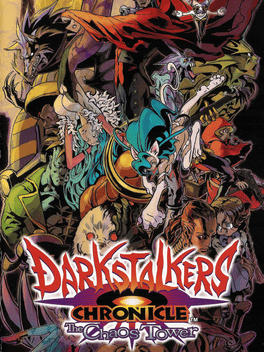
2004
star 7.1Once again, the monster warriors from the Darkstalkers series return to battle for control of the night. From vampires to mummies, Darkstalkers Chronicle: The Chaos Tower includes all 18 characters from previous installments in the franchise. Choose your favorite character, and master his or her unique moves to gain victory in various gameplay modes, such as arcade, training, tower, and Ad-Hoc.Ridge Racer
2004
Ridge Racer
2004
star 6.9Ridge Racer is an arcade racing video game named after the eponymous Ridge Racer video game series to which it belongs. Ridge Racer has been described as a 'compilation' of the series, featuring tracks, cars and remixed soundtrack from previous titles in the 1990s.Doko Demo Issho Portable
2004
A remake for Doko Demo Issyo released in December 7, 2004 for it's 5th Anniversary. It included more customization options, such as new costumes for the Pokepi and decorative items that could be added to the players apartment. There were also additional environments the player could take their Pokepi to, including a school, a farm, a marketplace, and a city street.